
11+ Easiest Vegetables to Grow (+ 4 That Aren’t)
A list of the truly easiest vegetables to grow for reliable, low maintenance production whether you’re a beginner or experienced gardener. You’ll also find a few vegetables that tend to be more trouble than they’re worth, and avoiding them may save you time, space, and frustration. I’ve learned through trial and error that choosing wisely from the start means you can grow more food with less effort, creating a garden that fits into your life instead of taking it over.
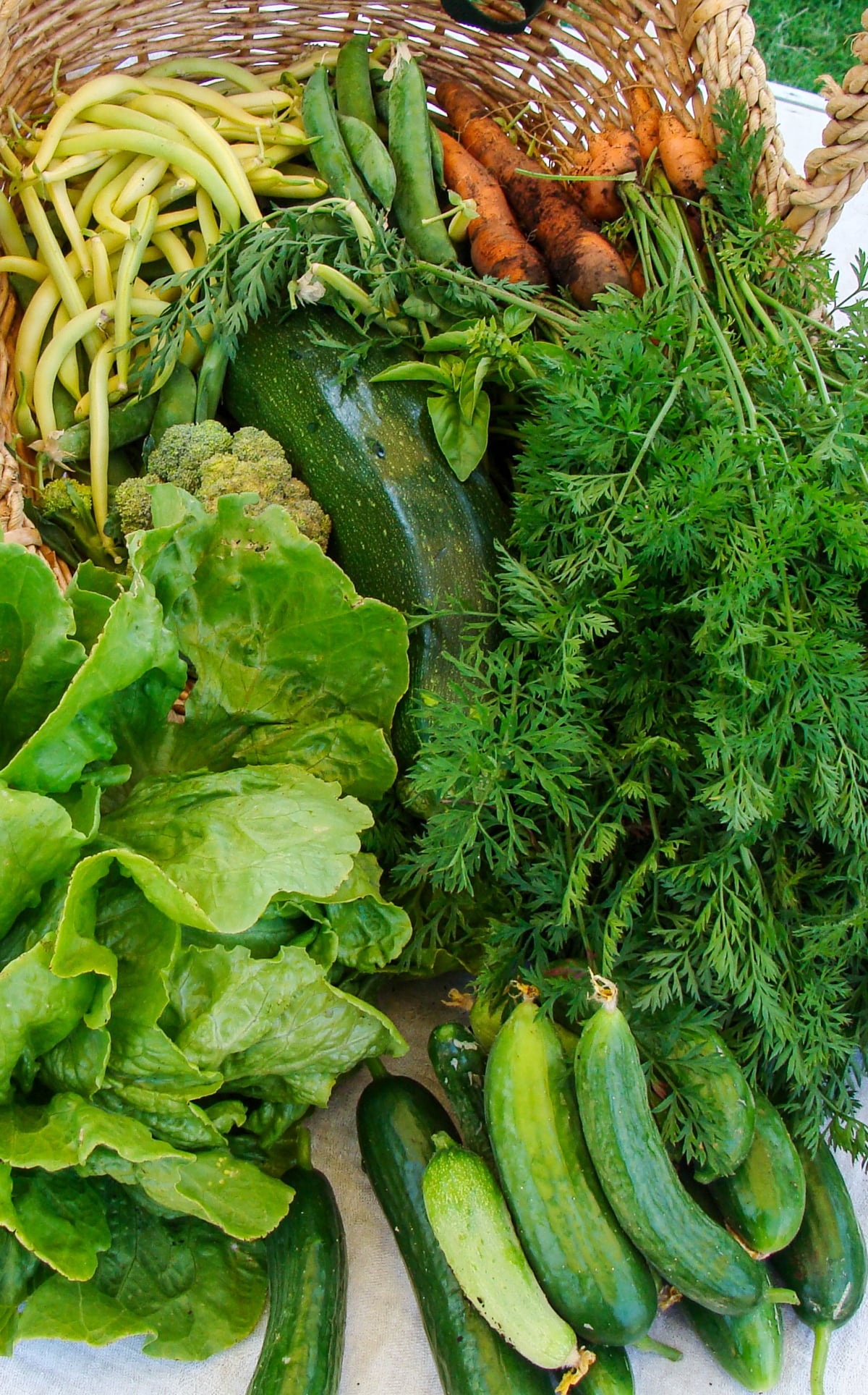
Are there really vegetables that are easy to grow? The varieties you can basically plant, from either seed or transplant, in good soil, give them water, do basic care like staking and trellising, and they will reliably produce food?
I think no matter what stage of gardener you are, beginner to advanced, knowing which vegetables will give you the best harvest with the least amount of work is a goal. The food we get to eat from the garden is the reward for all the work of prepping, planting, and maintaining a garden.
Yes, you can plant an easy care vegetable garden with raised beds and soaker hoses to lessen weeding and hand-watering. You can start your own seeds and add compost and organic fertilizer to your beds. But in the end if the plants die it doesn’t matter.
What you need a tried-and-true list of hardy plants to grow.
So I present to you my list of the truly easiest vegetables to grow every year that forms the backbone of a productive vegetable garden. I’ve learned through years of gardening that I don’t want to have a garden without these, and if I want to try a tougher to grow vegetable (cauliflower, I’m talking about you), I fit them in around these tried-and-true favorites.
Below you’ll find the twelve vegetables I’ve found to really be easy to grow. I hope you prioritize this list when planning your garden – hopefully using the free Gardening Notebook Journal. (TIP: Keeping a simple list of what you’ve planted and how they grow for you is the best way to find what works for you and your garden – that’s how I came up with this list!)
After that you’ll find the four vegetables that have never been easy for me to grow, even though they’re often found on lists of easy grow vegetables. I don’t know why, maybe they are easy in some gardens or maybe everyone is just copying from the same list, but I don’t agree and I think my reasons are solid (even though I do plant some still, they’re just not my priorities). I’d love to what you think, of course!
11+ Easiest Vegetables To Grow
1. Lettuce (& Other Greens)
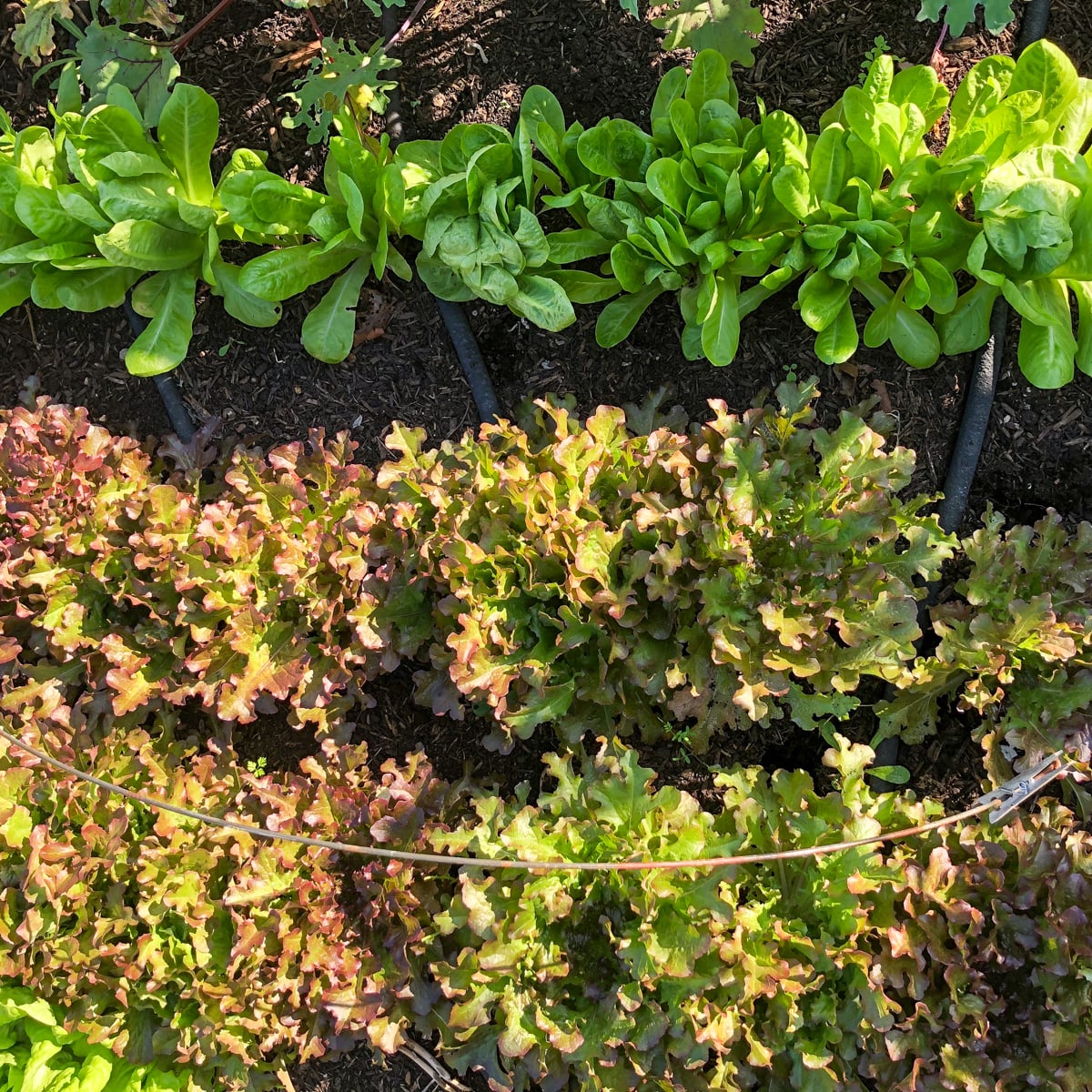
Rarely bothered by pests, with varieties that can take both cold and some heat, lettuce is one of the vegetables that can be grown year around in many places. As long as it gets the moisture it likes and is shaded from the heat of the day in midsummer, it will reliably produce for you. Bonus: it’s one of the few vegetables that does well in gardens with less sun.
Read more on growing, harvesting, preserving, and using lettuce in The Ultimate Lettuce Guide, including the varieties I like to grow.
The other greens that are pretty easy to grow, though are not in the same family, are kale and chard. We use them in salads (and they are a good substitute for harder to grow spinach in soups and cooking) which makes them a great green to add to the garden along with lettuce.
2. Potatoes
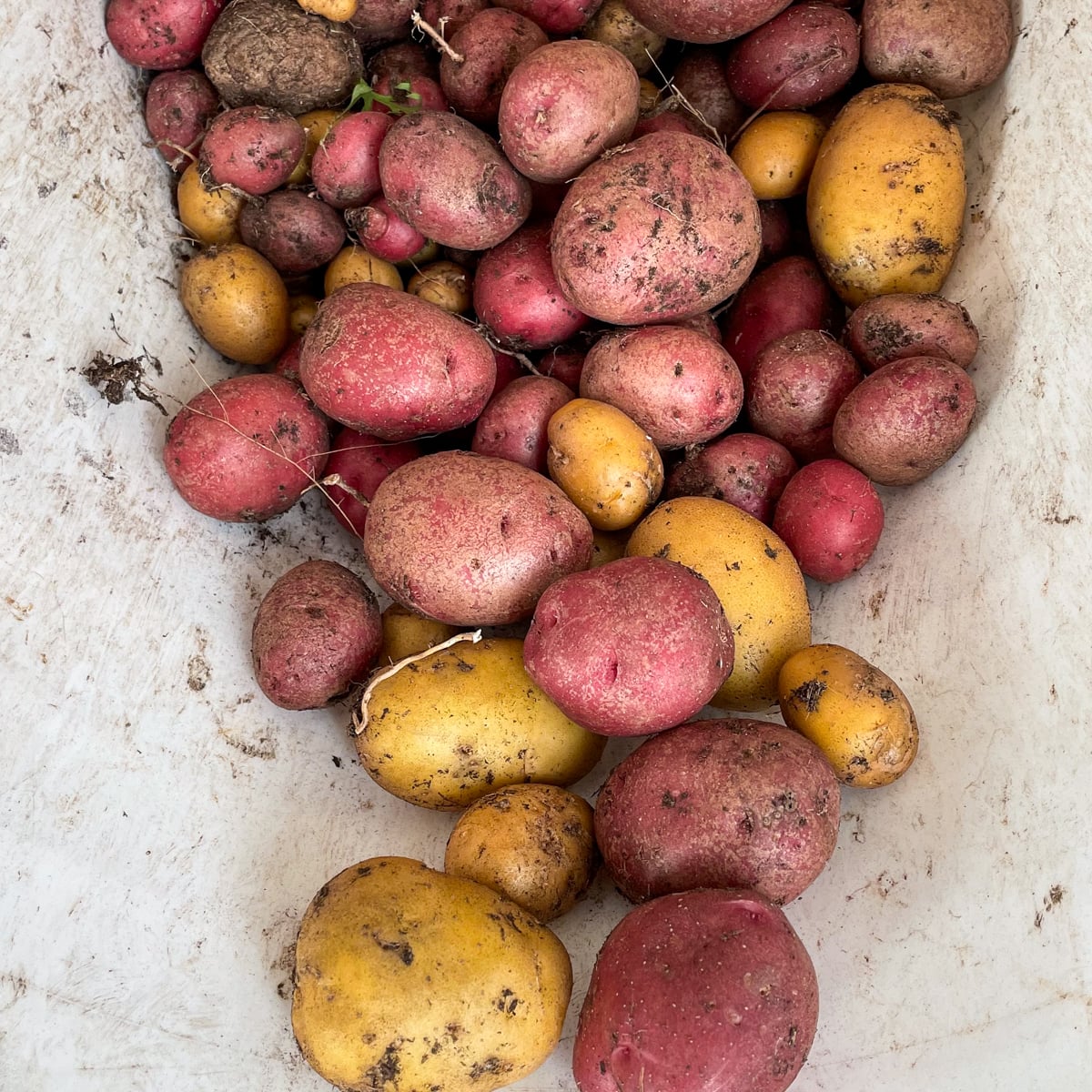
Potatoes are almost a plant-it-and-forget-it crop. Almost. You do have to keep the tubers covered (with dirt or hay) and keep the animals away (darn you, voles), but other than that they hardly need anything from you – even watering is minimal.
You can plant them in the ground and hill up soil, plant then on top of soil and hill up with straw, plant in special potato-growing bags, or other type of container. I used to think you needed a lot of room, but you can fit a bag or can just about anywhere, can’t you?
And when you pull back the soil or straw and find the waiting fresh tubers? It’s like finding buried treasure – so fun!
3. Green Beans
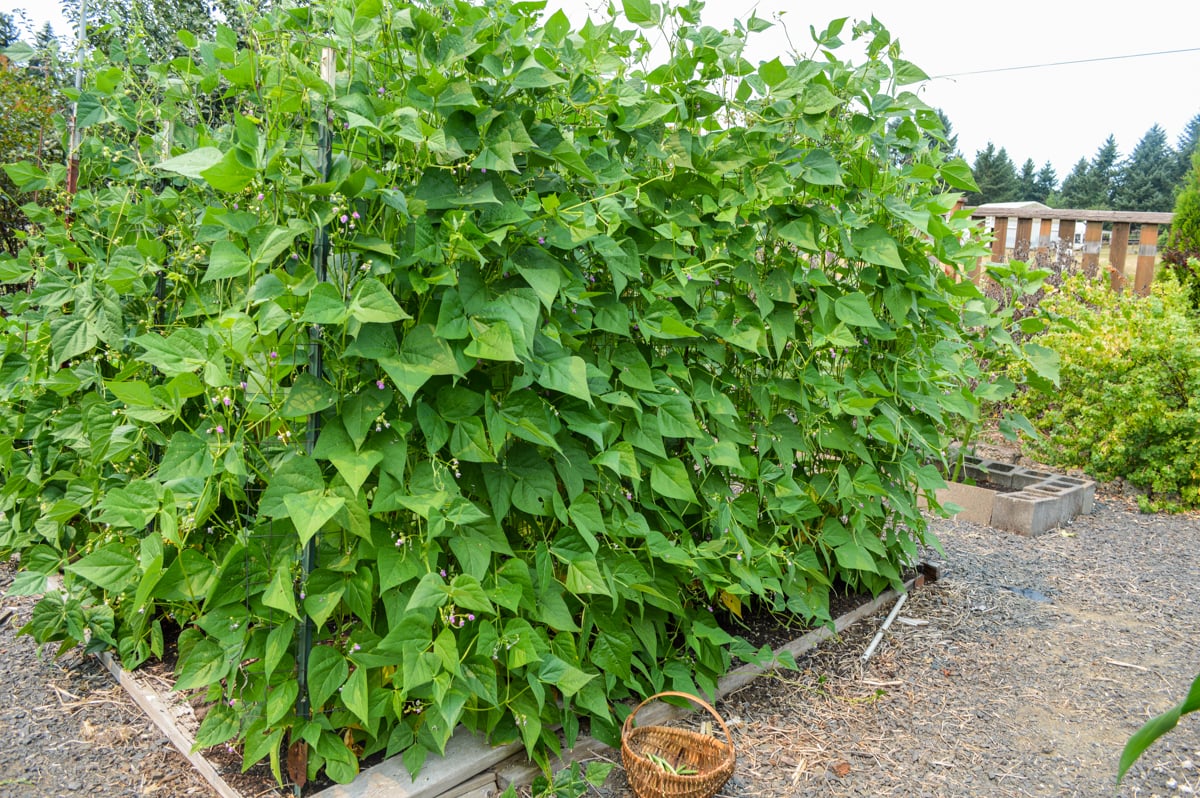
Ah, green beans – every garden that has a couple rows will have a dependable food crop for a few months, usually. It’s simple to start beans from seeds and easy to get the kids to help, too. They grow reliably with just good soil and regular water. I prefer pole beans since they’re easier to pick and produce a longer harvest, but bush beans are good, too. Just plant some!
Read more on growing, harvesting, preserving, and cooking beans in The Ultimate Green Bean Guide, including the two main varieties I grow.
4. Radishes
I have no photo for radishes, which is how you can probably guess our family doesn’t care for them. But I did grow them the first few years I had a garden because they are SO easy to grow. They also provide you with the first food of the spring garden quick, which is nice.
Big Gardening Tip I learned through this: None of the easy-to-grow aspects of a crop matters if your family won’t eat them! Which is why I always now suggest only growing what you know your family likes and will eat.
5. Cucumbers
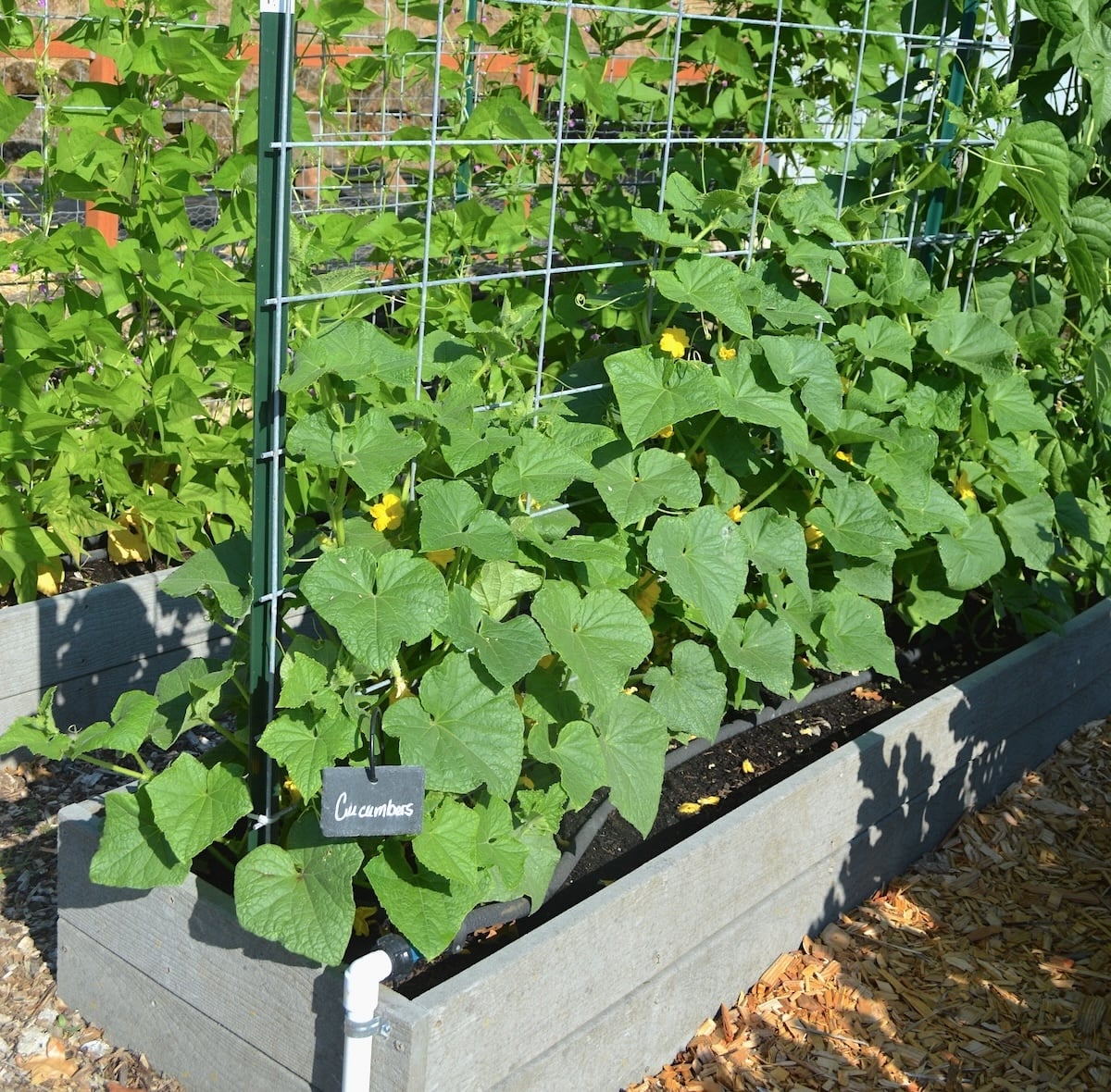
Cucumbers will grow for you as long as you provide them with the water they love. They are vines and will just grow and grow.
If you want to make them even easier to grow and harvest, train the vines up a trellis like I do. Not only will they be easier to find and pick among all the vines, they are straighter with more even color.
6. Tomatoes
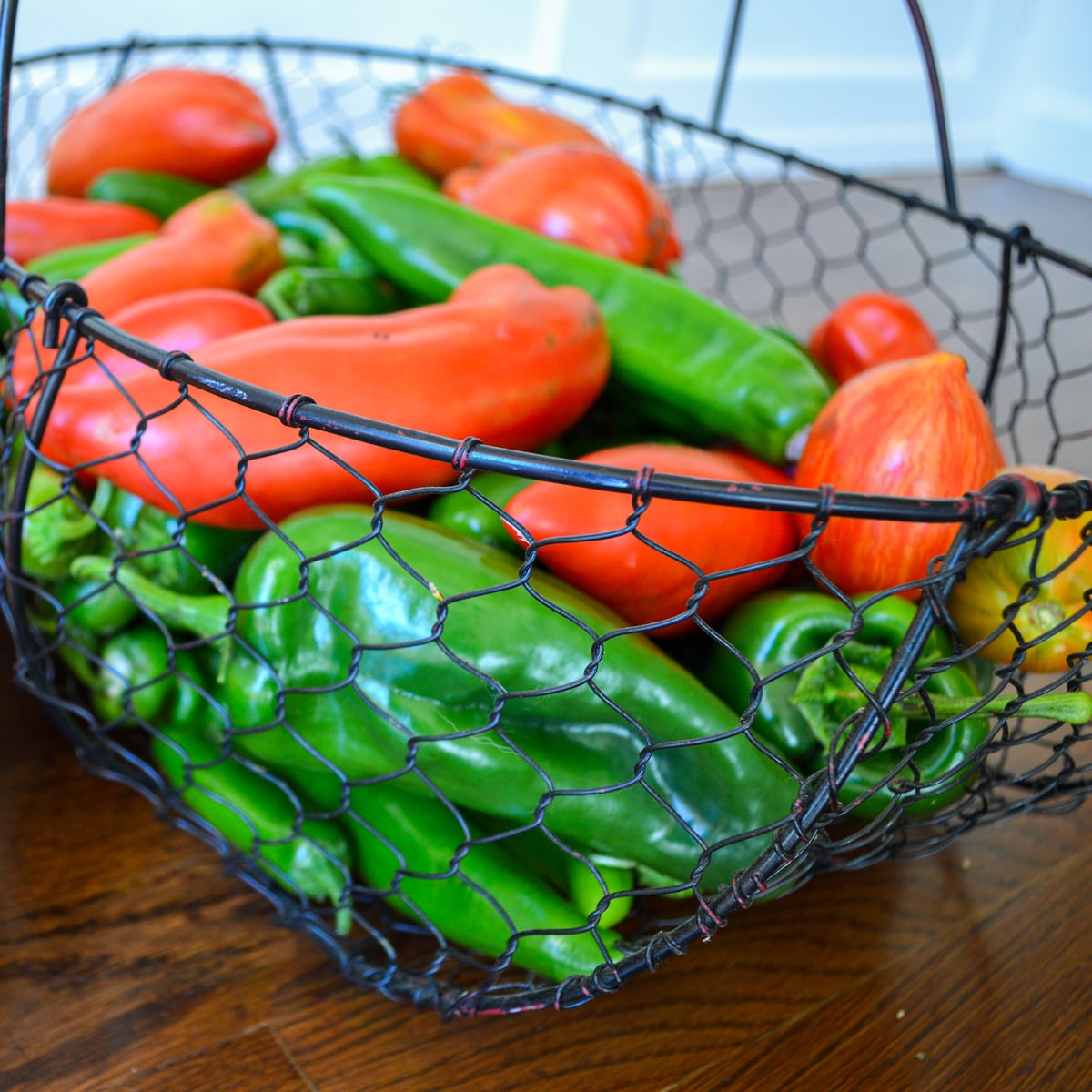
Almost every person who wants to grow vegetables has at least a couple of tomato plants. While they need staking, other than water and sun, that’s about all the maintenance they need. And wow, the harvest you can get from one plant, especially if you plant a cherry or grape variety! However, even if your plant only produces one basket of tomatoes it will be worth it when you take that first sun-ripened bite which puts store tomatoes to shame.
You can read more on growing, harvesting, preserving, and cooking with tomatoes in The Ultimate Tomato Guide, including the varieties I like to grow.
7. Hot peppers
I’m including hot peppers (jalapeño, anaheim, poblano, etc.) on this list because I’ve found that once you plant them, they will produce a really good amount with very little maintenance on your part (especially if you stake them in the beginning). And because they are eaten at the green stage, even areas with shorter summers and grow them (like all peppers, if they are left to mature they turn color, usually red). When peppers are happy, they will produce a LOT – enough for batches of canned salsa or pickled jalapenos.
8. Beets
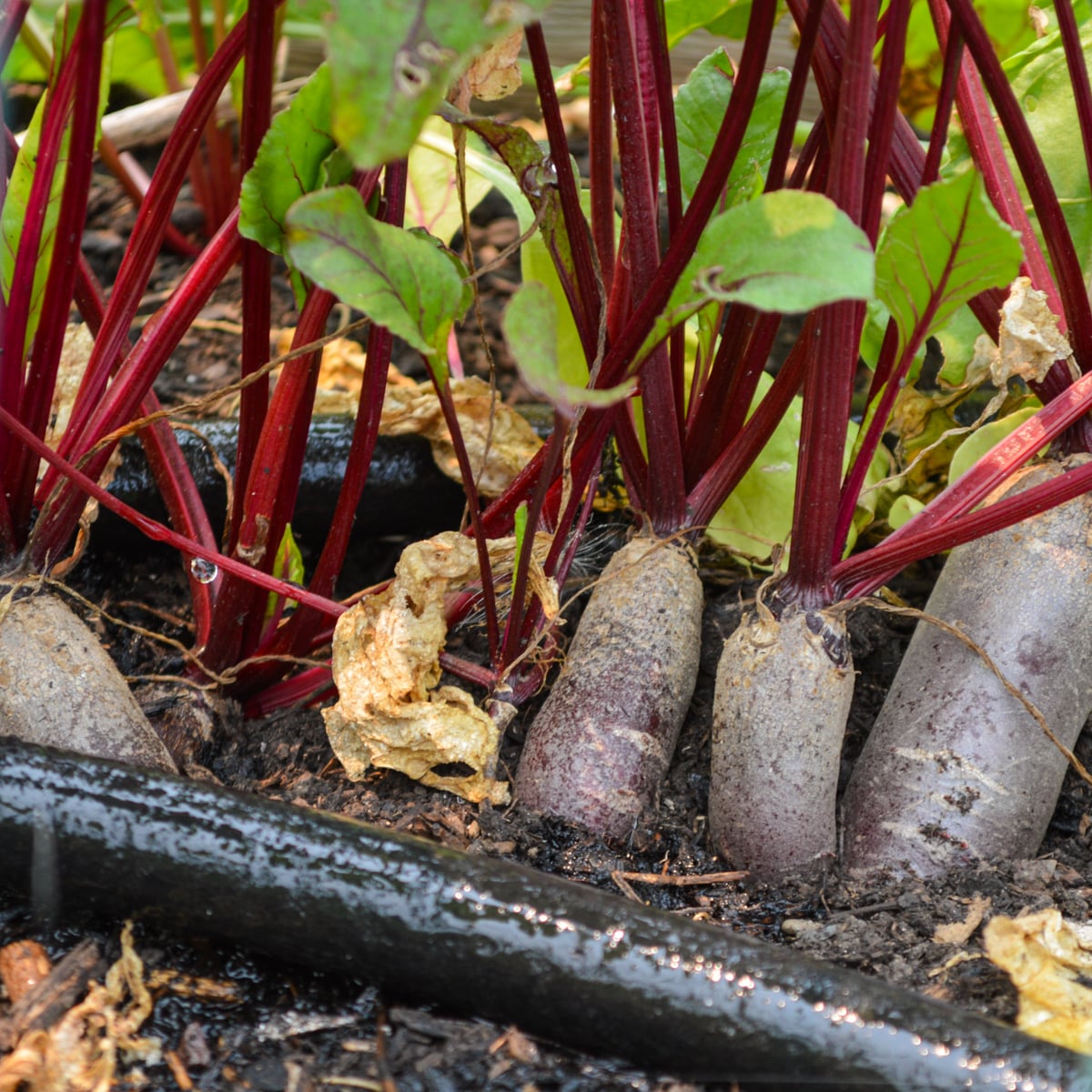
This is the better root vegetable to grow, unlike carrots (more on that below). Yes, they will need some thinning, but since the seeds are bigger than carrots, they’re easier to plant further apart. And you can use the thinned plants for the greens in a salad.
Oh, and if you think you don’t like beets, you may want to try this salad. And pickled beets are one of the easiest things to preserve and add so much flavor to salads.
9. Zucchini
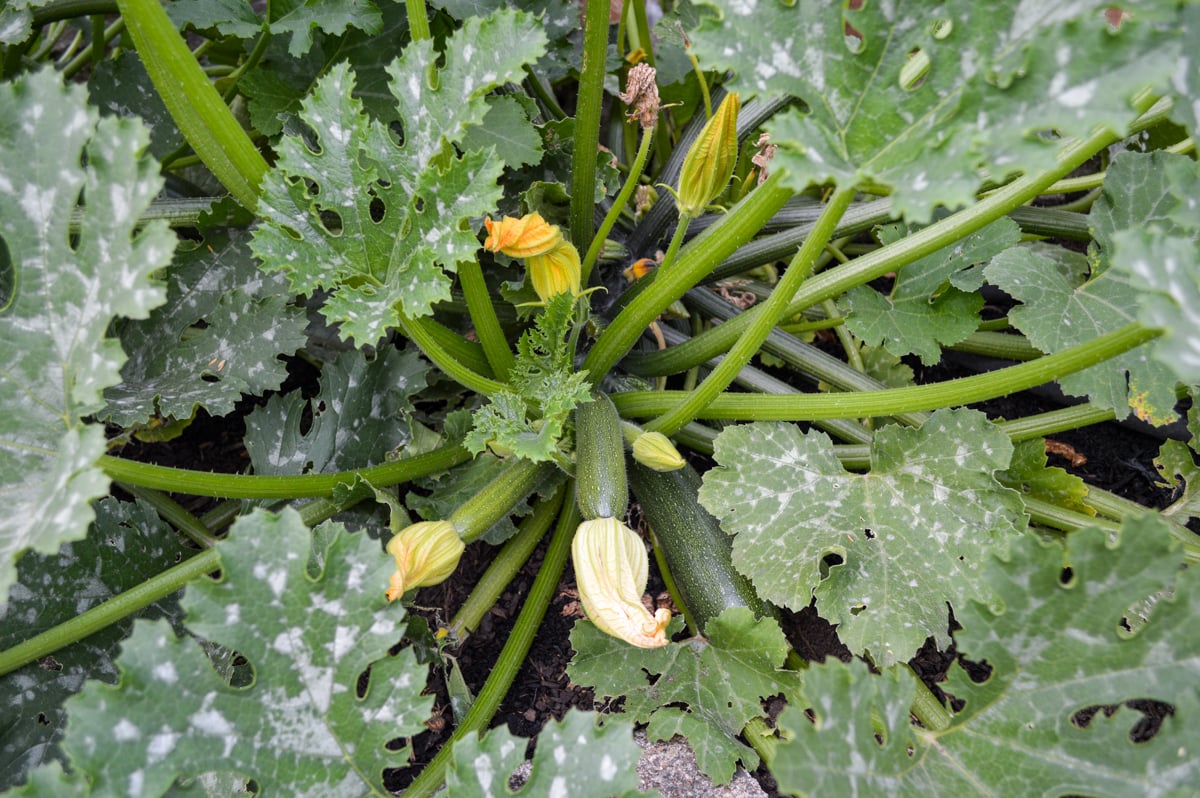
Of course, ha! And while it may go without saying that this is an easy vegetable to grow, you do need to plant it early enough to get a crop in before the inevitable mildew happens in the fall. Other than that, you just want to make sure to only plant 1-2 plants no matter how big your family is, because the reputation is true – they do produce.
But that’s not a big deal, because some of our favorite recipes use zucchini.
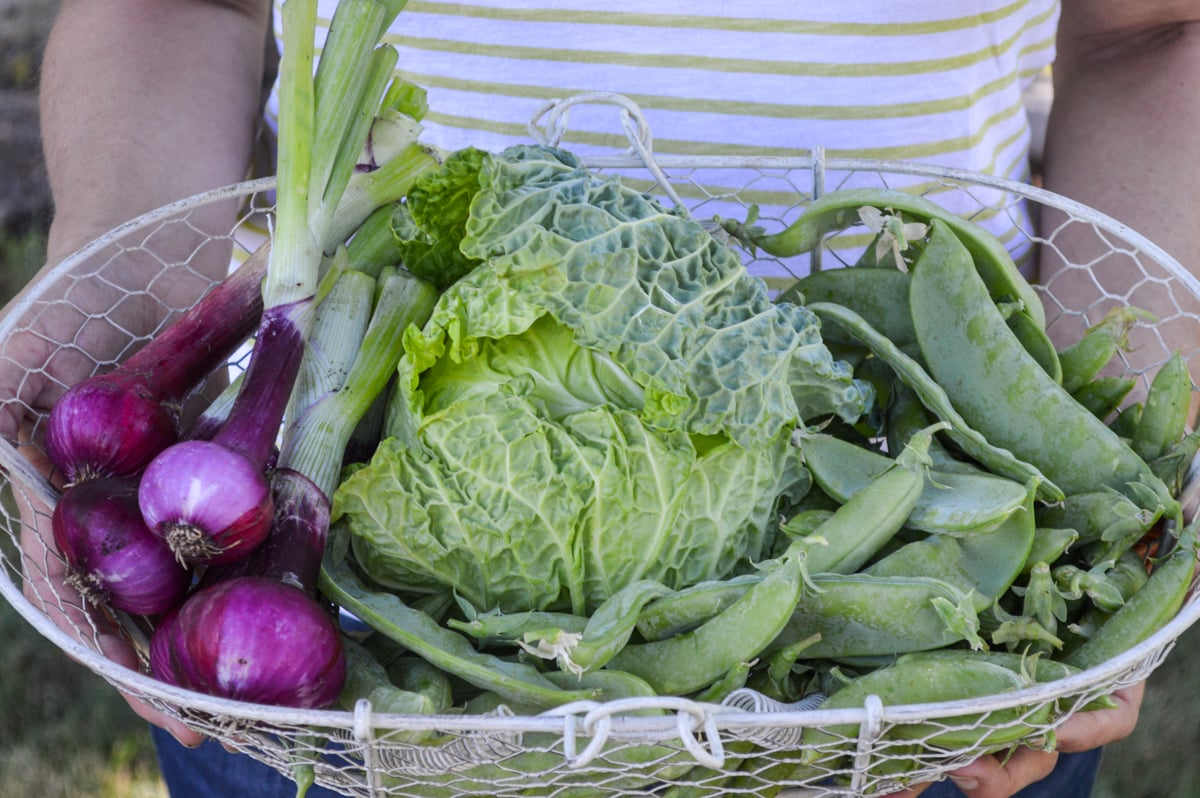
10. Onions
I grow onions from both seeds and sets and I especially like the fact that they can be planted in lots of spots in the garden as companion plants – along the edges of raised beds are one of my favorite spots. It’s a way to squeeze more vegetables into your gardening space. Because of this I can grow onions through most of the year, eating fresh from the garden as well as from storage.
Read more on growing, harvesting, preserving, and cooking with onions in The Ultimate Onion Guide, including the varieties I like to grow.
11. Peas – Snap, Snow, and Pods
I love spring-grown peas, they are so tender and sweet! Lucky for me, they are truly easy to grow with a bit of trellising to make harvest easier. Planted in early spring, they produce a LOT. Unfortunately, they don’t like hot weather, so they’re usually done by early July in my PNW zone 8b garden. That’s okay though – it’s super easy to freeze them and then we’re on to the green beans!
12. Bonuses: Cabbage (and Broccoli)
These two brassicas (the family cabbage and broccoli fall into) are usually not usually found on easy-to-grow lists because they are often riddled with bug problems, both aphids and cabbage worm. BUT I’ve found they are actually pretty easy to grow when covered most of the season with floating row covers. This is what made the difference for me, and I know it will for you, too, if you’ve thought these crops were hard.
Plus, both of these are not just one-hit-wonders – broccoli will produce side shoots throughout the whole season for me (really – all season!) and cabbage grows sweet little baby cabbages if left after the main harvest. And when you realized how tender garden-grown broccoli is (even the stems!), you will always want to plant some if you can.
Read more on growing, harvesting, preserving, and cooking with broccoli in The Ultimate Broccoli Guide and cabbage in The Ultimate Cabbage Guide, with some of the varieties I’ve grown.
4 Not So Easy Vegetables To Grow
Okay, here are the vegetables you may read all over the internet and in magazines that are often listed as easy to grow vegetables. For one reason or another, though, I have found them to not be that easy, meaning they need more coddling and special growing conditions- and even then produce with consistently spotty results. I still grow these, though, I just look at them as a challenge and a bonus to the consistent production I know I will get from my “backbone garden” plants.
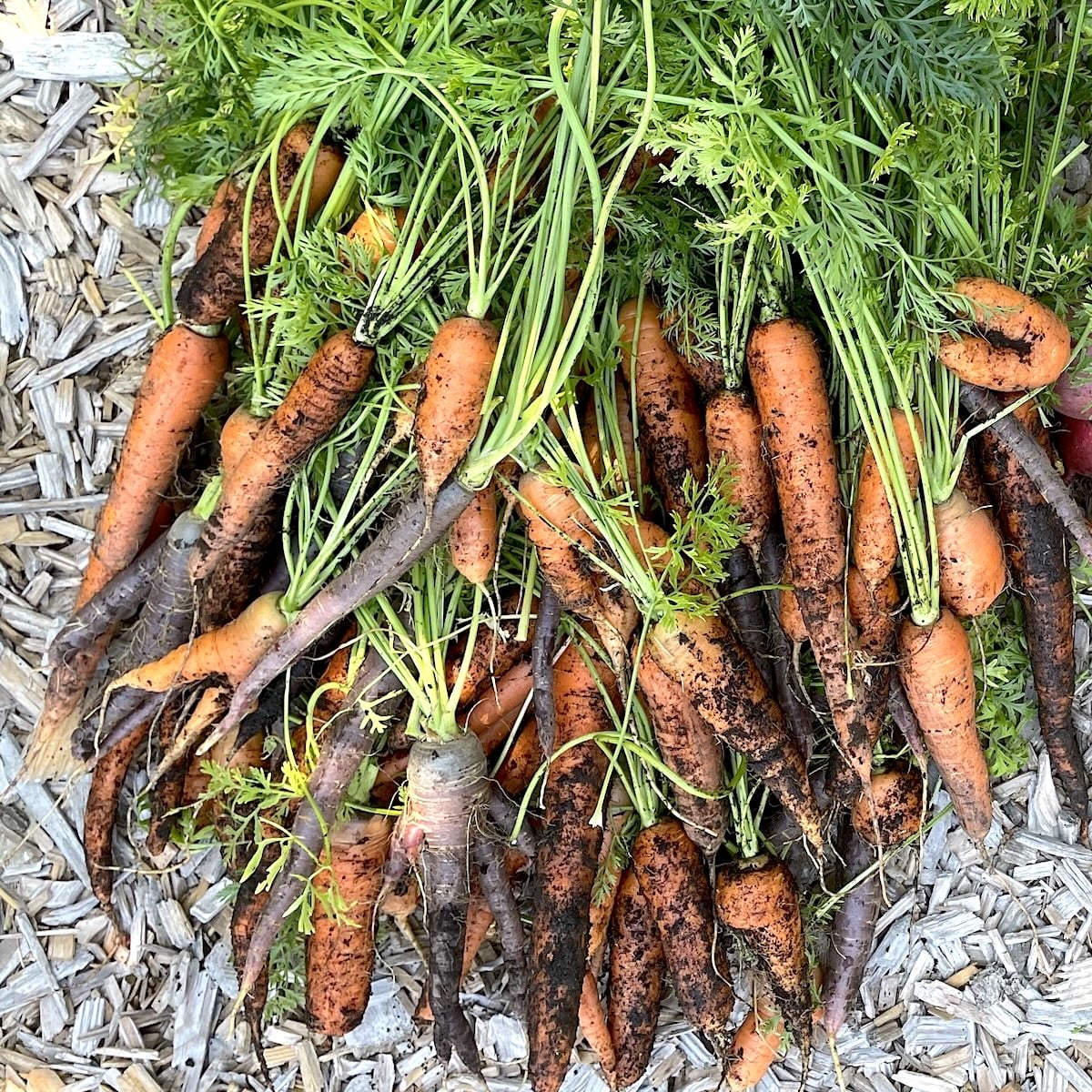
1. Carrots
Carrots are always listed as easy to grow, and especially for kid’s garden lists. And while they are super fun to harvest (if they’ve grown well), they are NOT easy to germinate the seed to get them to grow. You have to start them from seed in the garden (they don’t like roots disturbed by transplanting) which means you have to keep the tiny seeds evenly moist by watering daily.
And let’s not forget about the thinning. SO tedious, but if you don’t do it, you will have tiny stunted carrots. How would this be fun in a kid’s garden? (I say grow potatoes!)
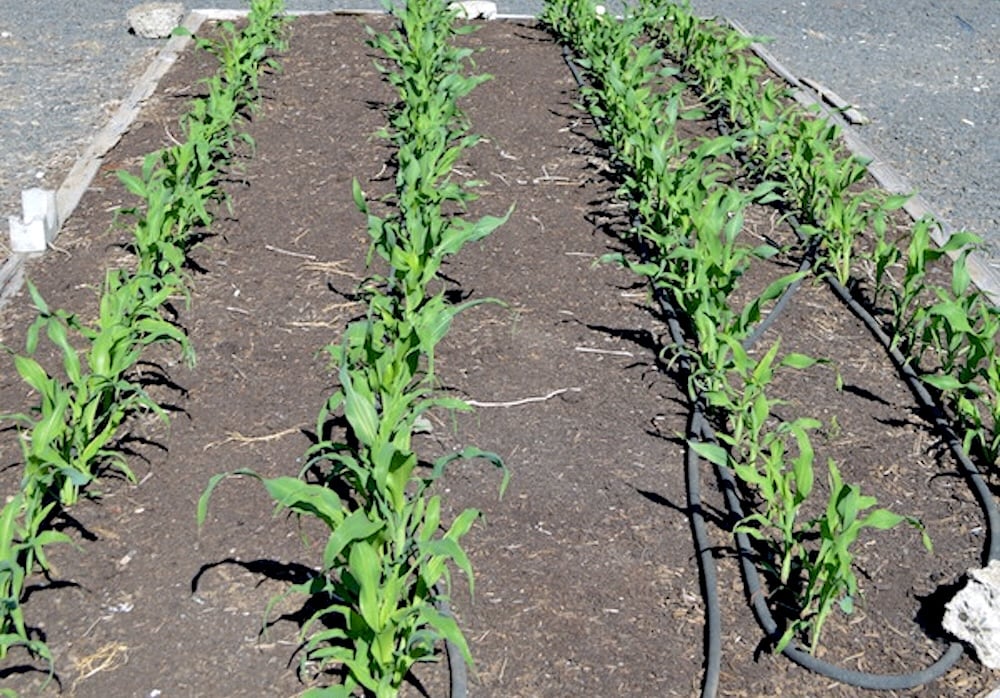
2. Corn
This is only easy IF you have enough space (and if you plant like this to minimize the need for weeding). Like, quite a bit of room to get a decent harvest. If not, you will have a few rows of decorative stalks that produce small, partially filled out cobs, if any at all. They need good pollination which only happens if planted in large groups. (But I do love planting corn, and if you have the space it’s worth it!)
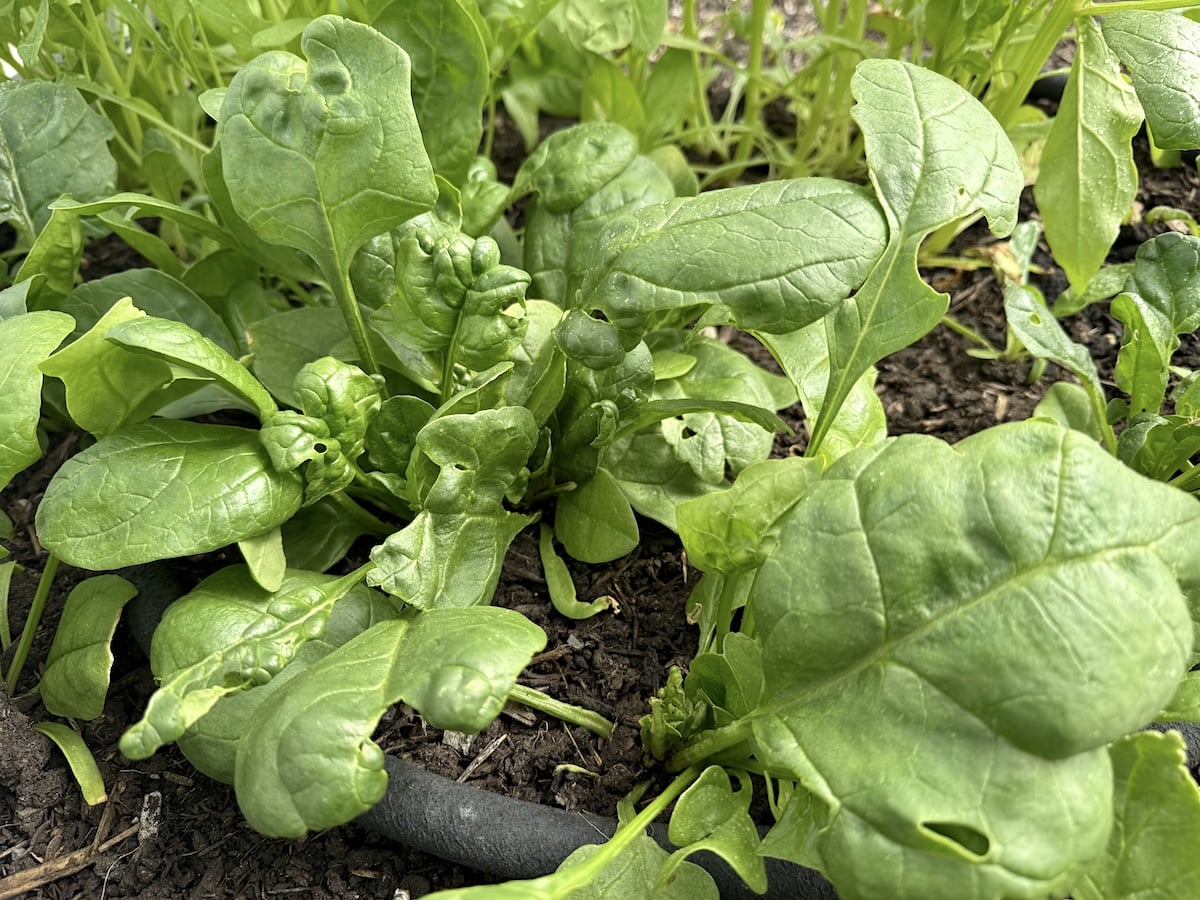
3. Spinach
This is usually listed in with salad greens on easy to grow lists, but spinach is fussy – way too fussy to be grouped with lettuce. In my experience it doesn’t have the best germination rate, and those that do grow barely get big enough to harvest before the weather warms up and they bolt. Spinach doesn’t like much warmth at all.
4. Sweet Peppers
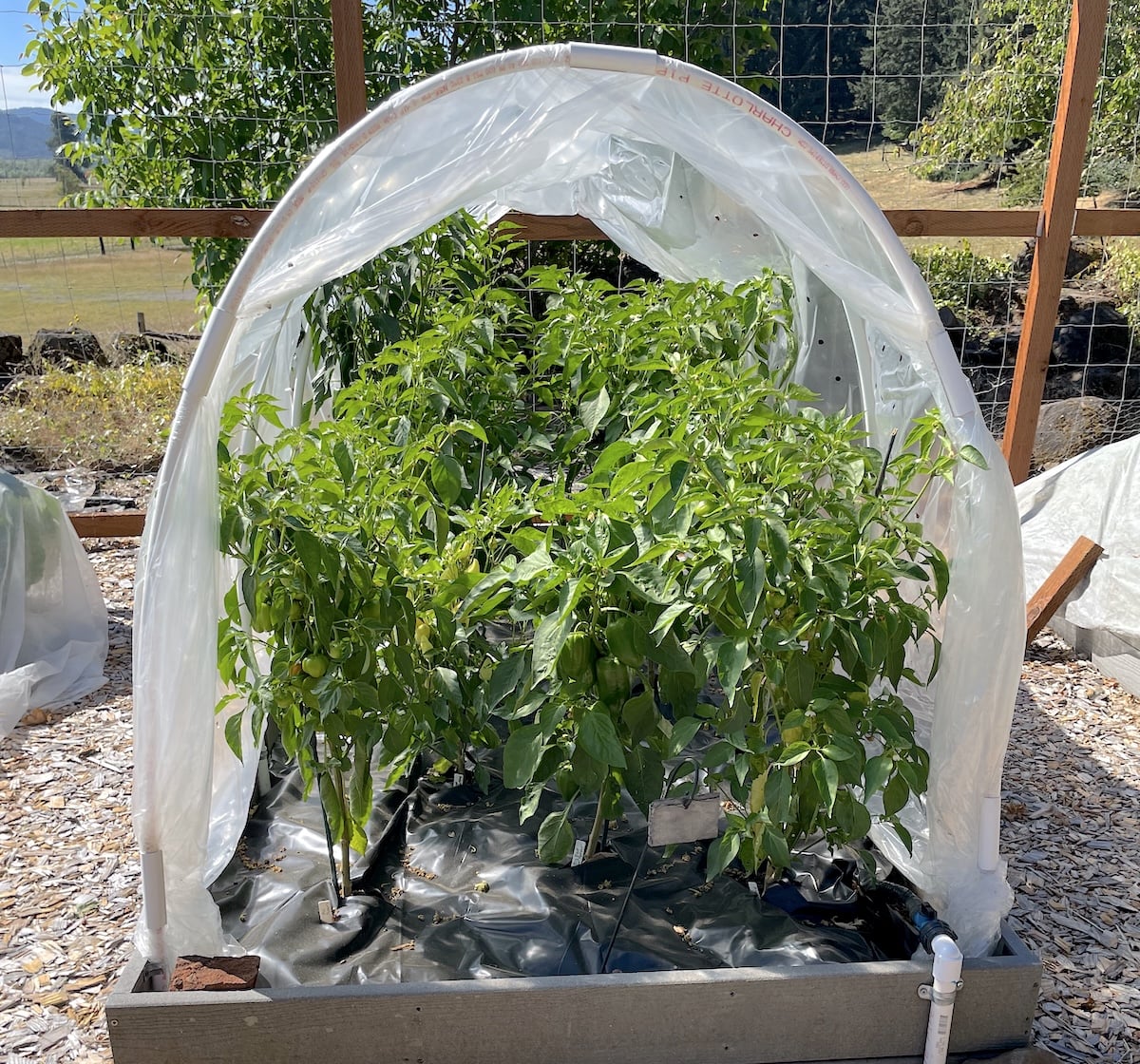
Here’s where I’m separating easy to grow hot peppers from not so easy sweet bell peppers. Sweet red, yellow, and orange peppers might be easier to grow if you live in warmer climates, but for half of the country, peppers need coddling to get started early enough to produce ripe fruit before the first frosts in the fall. (Note: Green sweet peppers are NOT ripe, which is why they are bitter compared to red and other colored varieties.)
The only way to get a good crop of fully ripe, fully colored sweet peppers from a spring sowing in the north is to grow them under a cover like I show above. And with a plastic mulch to hold in heat and moisture. I do it because I love them, but I’d never call it easy to grow.
Even though I often grow these four vegetables, I only do it if I’m prepared to give them more time. And then I don’t worry too much if they don’t produce well because I’ve got the rest of the garden planted with my sure things (although – is anything ever really a sure thing in the gardening world?).
So tell me, what do you think? What are your go-to easy grow vegetables?
This article has been updated, it was first published in 2014.

Thank you for your inspirational messages and advice. I’m in central Illinois and the lettuce seed has sprouted finally after two weeks, garlic is doing well but the birds keep eating my green bean seeds I think.
I love baby Bok Choy, have you grown that successfully? Also my zucchini start out great but the squash borers get it even though I spray the stems and cover them with foil. I’ve tried growing it on the family farm land and here at home in a neighborhood using the large felt bags and they still find it. Any suggestions?
I’m glad you find this helpful, Carma! I have to cover been seeds with row cover until they sprout to keep the birds from them. Sometimes just chicken wire also works. Bok Choy grows when it’s cooler so I’ve grown it in early spring and the fall here in Oregon.
I’ve read the suggestion to grow zucchini late (after July 1-15) which is supposed to be after the squash borer’s life cycle.
You missed the easiest Veggie. Swiss chard(White or Rainbow). One veggie that
is available and if some is left it is there next year.
So right! In fact I’m still harvesting from last year’s plants, though only for a bit longer as they’re starting to bolt. 🙂
I’m saving this list! Thanks! BTW, deer love potato leaves and stalks – they got through our fence last year and ate them to the ground. But the potatoes came back and gave us a good enough harvest that I had to can some! Also, radish greens are good in salad. My husband *says* he loves radishes, but they tend to sit and go bad in the fridge since I don’t care for them. At least we get some good from the thinned greens!
That’s amazing that the potatoes still provided a big harvest even after the tops being eaten!
I’m with you – radishes never get eaten at our house. 🙂