
Four Reasons To Grow Plants From Seed
Choosing to grow plants from seed can feel like an extra step, but it brings real advantages to the gardening season with greater flexibility and control over what you grow. Whether you’re a new or seasoned gardener, these four reasons to start seeds will help you see why growing your own plants can be practical and rewarding.
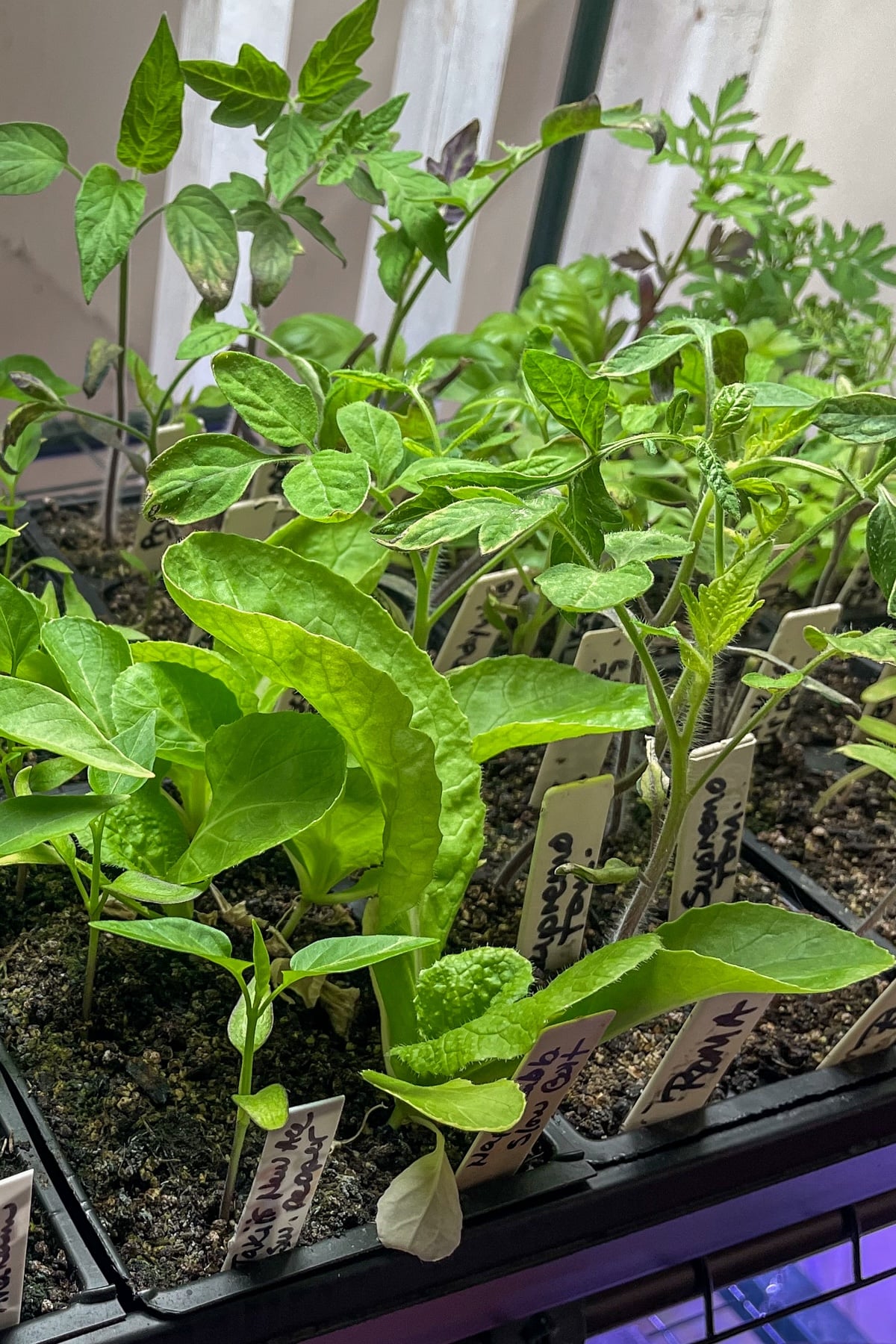
When I first started gardening I planted flowers I bought from nurseries and stores, which is what most people I knew did. It wasn’t until I added in some vegetables that I even thought about growing plants from seeds. And even then it was a few years after growing edibles – at first I only planted what I could find offered in my local stores.
In that amount of time, though, I realized that what the stores offered – and when they offered them – was really limiting what I could grow. I started researching seed catalogs to look at varieties and learn how to successfully grow seeds indoors.
Successfully being the key word. I knew from growing seeds in windowsills as a kid that the plants were always thin, lanky, and usually leaning to one side. Nothing like the seedlings I saw in the stores.
Through trial and error (pretty much a gardener’s life, right?) I figured out some tips and tricks to start seeds indoors that didn’t break the bank (a quick look at the price of seed starting stations in a garden catalog will tell you what I’m talking about) AND results in healthy, stocky plants that will thrive in your garden.
And once I started growing my own plants from seeds, I realized even more why it was so important for any gardener!
4 Reasons To Grow Plants From Seed

Why should you take the time to grow your plants from seeds when a small garden can be planted easily with a few 6-packs from the store that only cost a couple dollars? There are actually quite a few reasons, but I’m listing what I call the “Big Four” here:
1. Variety
There are literally thousands of choices available through seed catalogs. While getting seeds at stores and nurseries is a good place to start, they choose only the varieties they like or are popular because they are limited in what they can offer.
Buying seeds from catalogs means you can have fun trying out new varieties each year. You can also decided to grow only heirloom or only organic seed, or anything you want, without someone else deciding for you.
When you experiment with varieties, keeping track of the seeds and harvest in a gardening notebook, you will find the best plants for your specific area and tastes.
2. Cost
Even though the 6-packs of nursery plants mat not seem that expensive, a packet of 50 to 1000 seeds (depending on the variety) only costs between $2.00 – $5.00, with most in the $2-$3 range. Many of the seeds will last 2 to 4 years when stored properly (here’s my seed storing method), so right there is a cost savings.
But if one or two of the seedlings in the 6-pack dies you have to go back to the store for more, however if you’ve got seed in reserve you can just start a couple plants without spending more.
This is especially true with things like lettuce that can be sown multiple times to have a long harvest, first starting the seeds inside and then sowing later directly in the ground.
3. Timing
When you have your own seeds at your disposal (you can store them in a simple file system), you are not at the whim of when the stores have the seeds or plants in stock. You can start your seeds whenever you want in order to plant them in the garden at the time YOU want.
An example is tomatoes. I like to plant some of mine out early using Wall-O-Waters or other covers in order to get ripe tomatoes earlier, but it would be hard to find the plants in April when I need them. Starting my own allows me to be in control of when I am able to get my plants in the ground.
Other examples are succession planting and fall gardening. To do these well, you need to start seeds all through the summer, many times long after starts are available and seeds are out of stock.
4. Control
When we start our own seeds, we determine how they are raised and what fertilizers and supplements they get, if any. This is especially nice if you’d like to be as organic as possible making sure the plants do not get any synthetic fertilizers even in their seedling stages.
I’m pretty sure that once you see how easy it is and experience all the benefits like me, you will never go back to relying on only plant starts and stores for your garden!

Now that you’re all set to start sowing some seeds (because you are, right?), there are two things you’ll want do as soon as you can in early winter:
- Place your seed orders in your favorite catalogs as soon as possible to get the best choices. (You can visit this page if you’re wondering what catalogs I order from.)
- Make a list of when your seeds need to be planted for your area.
Need to find your area’s planting dates?
This vegetable planting schedule by Urban Farmer is a great tool. You can plug in your zone if you know it or navigate to your state for more detailed planting information, including first and last frost dates of the town you’re located in.
Once you have decided to start seeds, purchased the seeds, and figured out your planting dates, all you have left is to actually plant the seeds. Which is why I created this seed starting guide where you’ll find the quick, inexpensive way I start vegetable and flower seeds indoors:
- How to Start Plants from Seeds
- Caring For Seedlings at Week 1
- Caring for Seedlings at Week 6
- How to Plant Seedlings in the garden
And, you can also plant some seeds outdoors in winter in milk jugs! This is great if you don’t have a lot of space indoors for seeds.
OK, let’s get ready to start plants from seeds. It’ll be fun, I promise!

This article has been updated – it was originally published in January of 2010 and updated in 2015 and 2026.

We have already started our seeds and now are in the midst of separating and transplanting the seedlings. We have a much earlier planting season than some areas do so we have to start our seeds in mid December to early January. Our compost bin us working away and the garden bed has been tilled. So it’s just a waiting game now for the last Feb freeze before we plant. I can hardly wait.
I loved the post. It’s great to see so many get on fire for gardening.
Thanks for posting this ahead of time Jami! I think I’m ready to order my seeds and get planting!