
January 2026 Garden Update & Plans
January is a quieter month in the garden, but it’s also one where we can dream and plan for the new season. In this garden update, you’ll see the surprising things that are still growing in my garden as well as some plans for spring. There’s a little of what worked, some things I’d like to change and the simple ideas that keep me excited during the slower winter weeks, when everything is still possible for the new season.

While there are some things you can be checking off your yard and garden lists in the winter months, for the most part I like to use this down time to dream and plan. I organize my seeds using the gardening notebook and then use simple graph paper to plan out the vegetable beds and where I want to put more cutting flowers.
But whenever the weather allows, I walk through the garden to see if anything is growing and what I can harvest. I planted a number of things in the fall that are still slowly growing and there are even a few things still producing from last spring’s planting! For reference, I’m in a more mild temperate PNW zone 8, and this year has been especially mild so far.
As gardeners, we love to walk through other’s gardens gathering inspiration and knowledge if we can. So I thought I’d do a little virtual walk-through with you here of a few areas with what worked last year, what didn’t, and some things I’d like to add or change this year.
My hope is that you’ll be inspired to grow, add, subtract, or change something in your containers, yard, vegetable beds, or anywhere you can grow this year.
The Vegetable Garden
First, lets start with the lead photo: that’s a raised bed I planted with more starts in the fall, kept covered with insect netting and changed the cover to a more insulating row cover when the nights got below 50 degrees. This bed holds turnips, cabbage, celery (spring planted), and beets behind the celery. Yes, there is slug damage, but I can’t seem to grow anything in the fall without it. I usually get heads of cabbage anyway, leaving the outer leaves to the slugs. I will get out there to place a few more beer catchers now that I’ve seen it (this is the problem with winter gardening under cover: it’s cold and I don’t see the damage as quickly as I do in warmer weather).
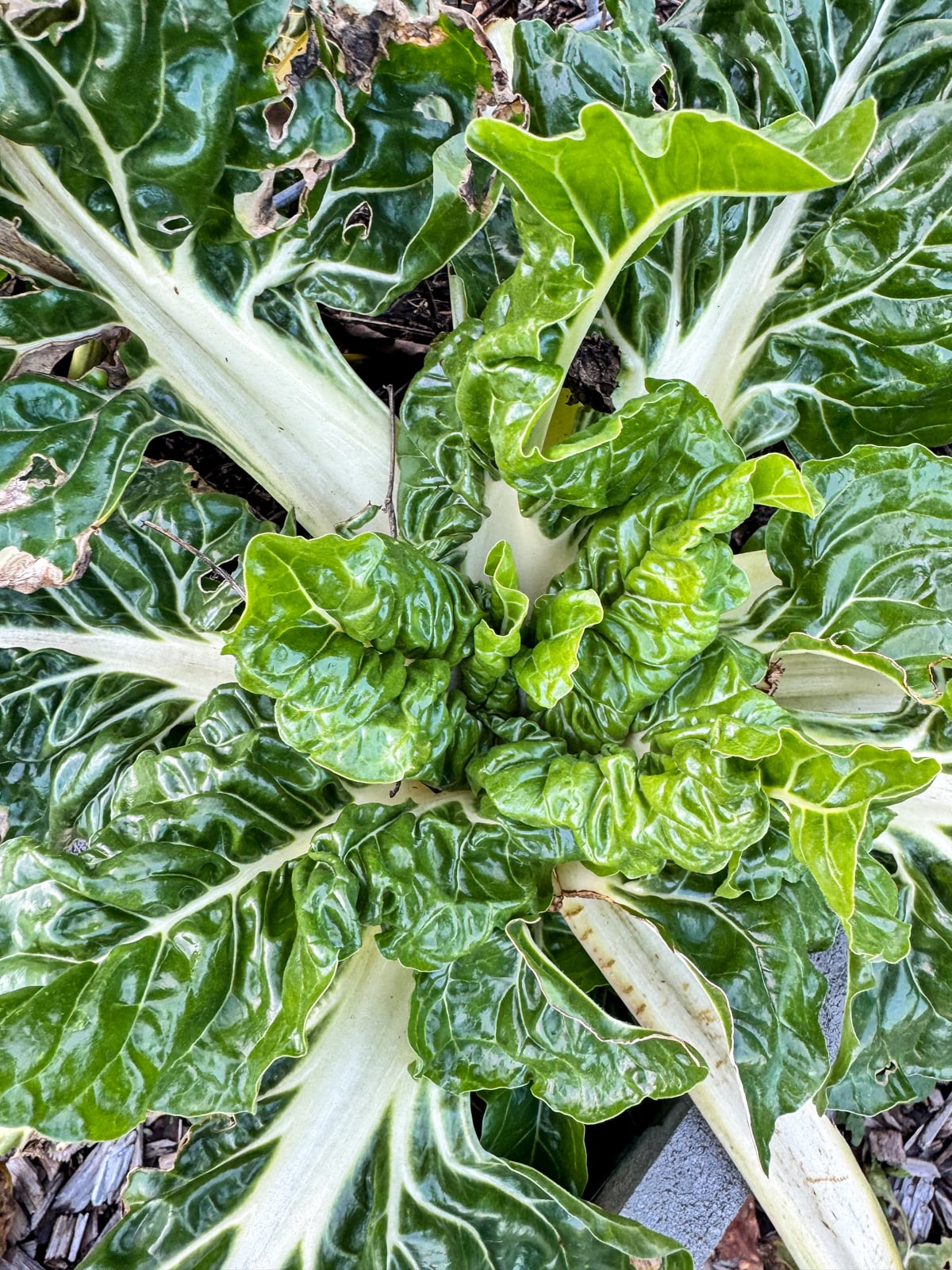
Now the photo of chard above: I have a number of chard plants that were set out last April and have been putting out tender, new growth since the cooler weather came back. There are less-tender outer leaves that I compost, usually with lots of leaf-miner damage, but I always grow chard here and there in beds because it reliably produces in the fall and winter and I can use it in any recipe that calls for spinach or kale.
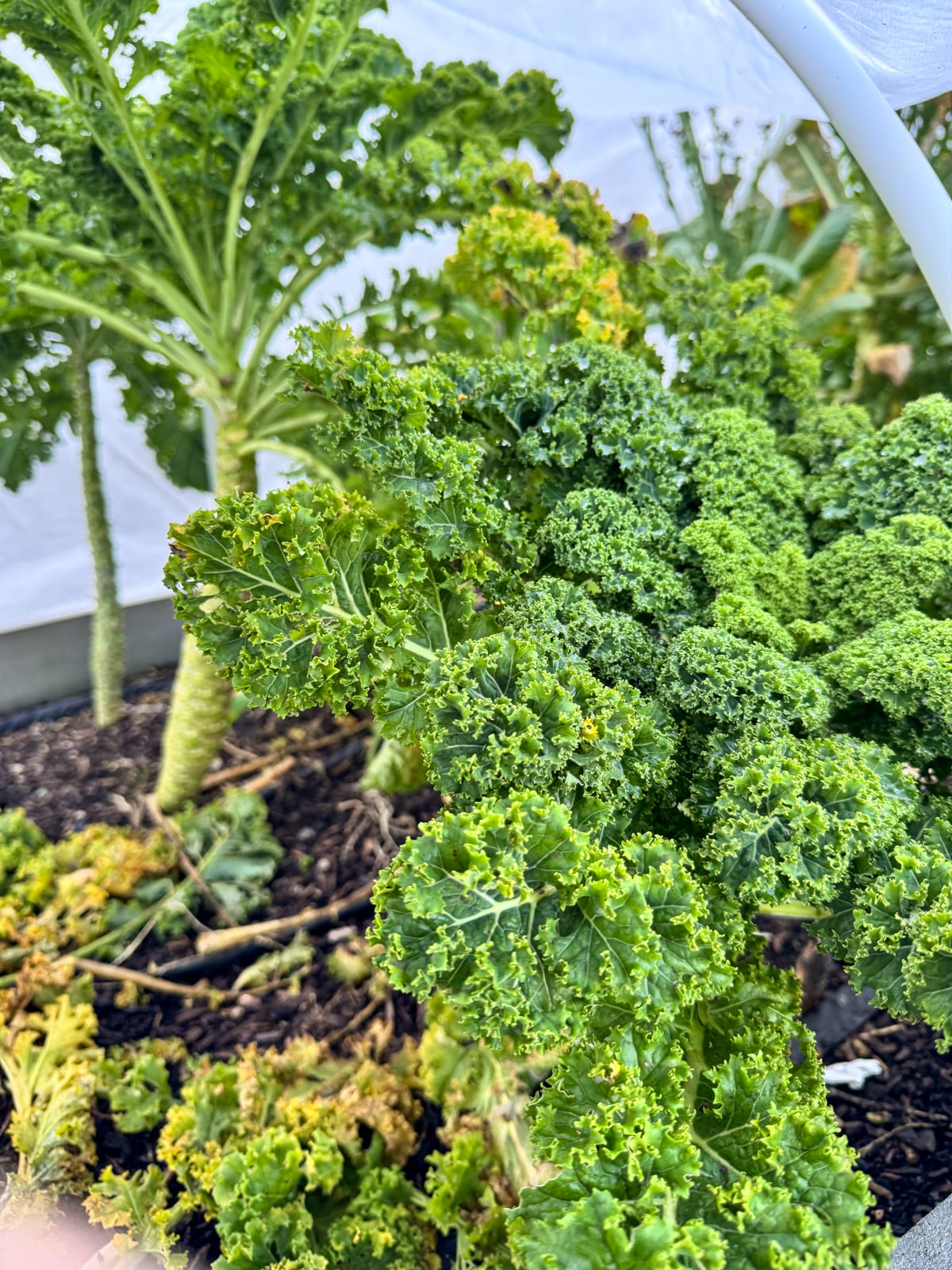
And speaking of kale: It’s like the vegetable that keeps on giving around here. These were planted last spring and we just harvest the lower leaves while the plants keep growing taller and putting out more tender growth.
What Worked in The Vegetable Garden
- Planting more densely.
- Planning more intentionally for succession (like having starts of new lettuce ready) and intercropping (putting onion and lettuce starts everywhere between plants that take longer to grow).
- Planting more paste tomatoes and less large heirloom varieties.
- Replacing the broken cement patio with a large planting bed.
What Didn’t Work
- Not using plastic mulch and season-long cover for the pepper bed. In an effort to grow more, I experimented with planting lettuce, celery, and chard in the empty spaces around the peppers which meant I couldn’t use the plastic mulch. I also tried not having the bed covered all the time. The result was a LOT less peppers than ever. They are heat lovers and in my garden area, they need all the heat they can.
- Leaving the edges of the new longer bed where the patio had been dirt. Between the ground squirrels digging, me stepping on the edges, and keeping the water from running off, plain dirt sides just didn’t cut it. I’m going to add some kind of edging this year.
- The old soaker hoses. I’ve been learning that the newer variety of soakers work for the first year and then the holes seem to close up when it gets hot in subsequent years?? I tested all the hoses in the spring and they worked fine, but by late July they were barely oozing out any water. Arrgh. I’m going with cloth soakers now.
The Sunken Garden
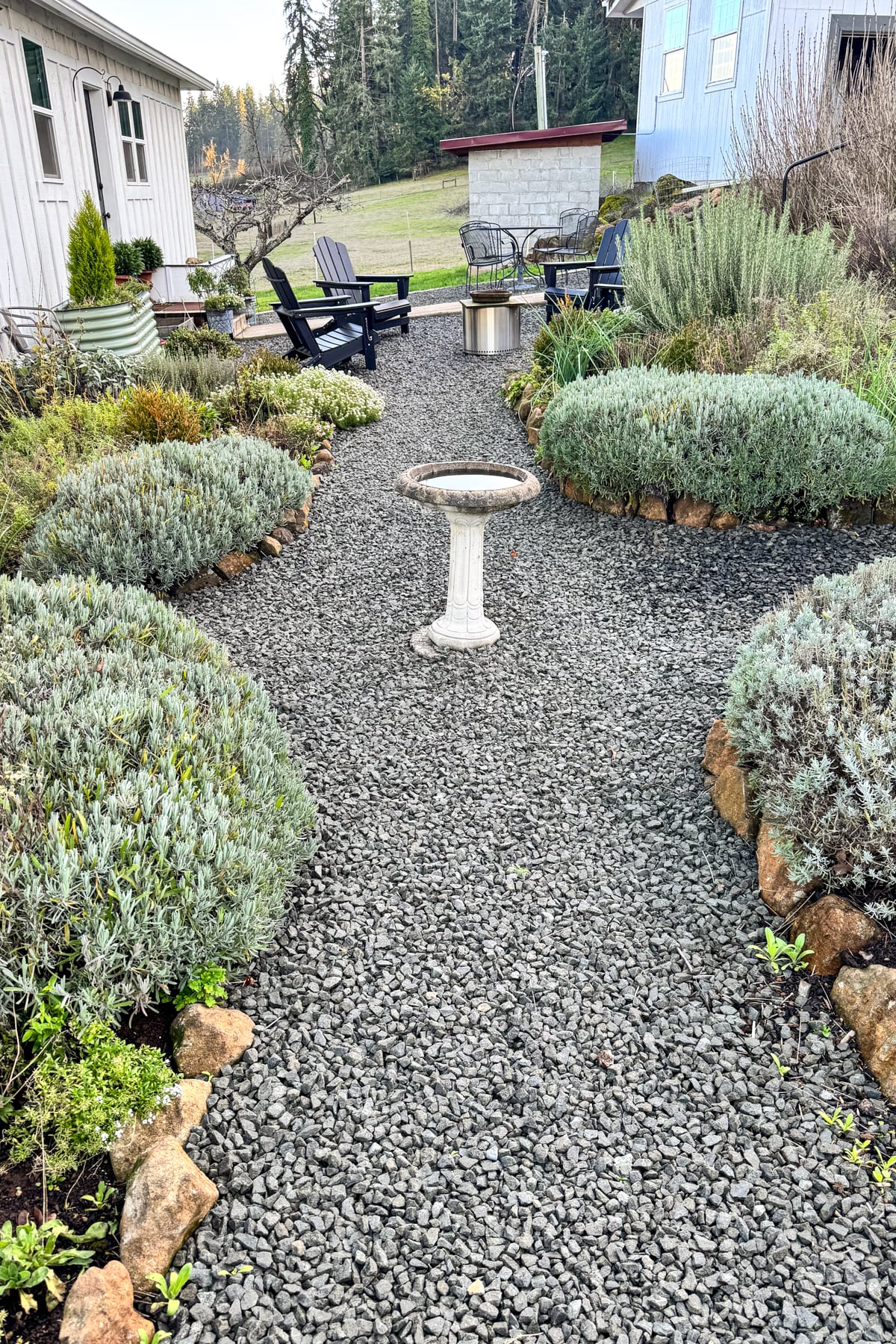
This deer resistant sunken garden that everyone sees as they walk to our front door, and that we can see from all the west side windows, brings me such joy. Not only the flowers and greenery, but the birds and how we use the fire pit.
The calendula have seeded from the beds along the edges of the beds closest to the camera but that is about the only weeds we’ll get. I may pull a few here and there in the spring, but they come up super easy.
How? The answer to clean gravel paths is thick black plastic. It was the answer when we made this video years ago and wrote this article about all the ways to deal with pernicious weeds, and it’s STILL the answer. This is one area to not be afraid of black plastic. I made the terrible mistake of using “professional weed block fabric” thinking it would be better somehow for the paths in our new berry garden and it’s growing weeds like CRAZY. I will never buy it again for making permanent paths (and I already would never use it for beds). You want a 6 mil plastic sheeting like this.
What is still Blooming?

This lovely patch of alyssum in the sunken garden. The front bare spot is where I cut a few for an indoor arrangement. Probably should’ve taken it from the back, lol.
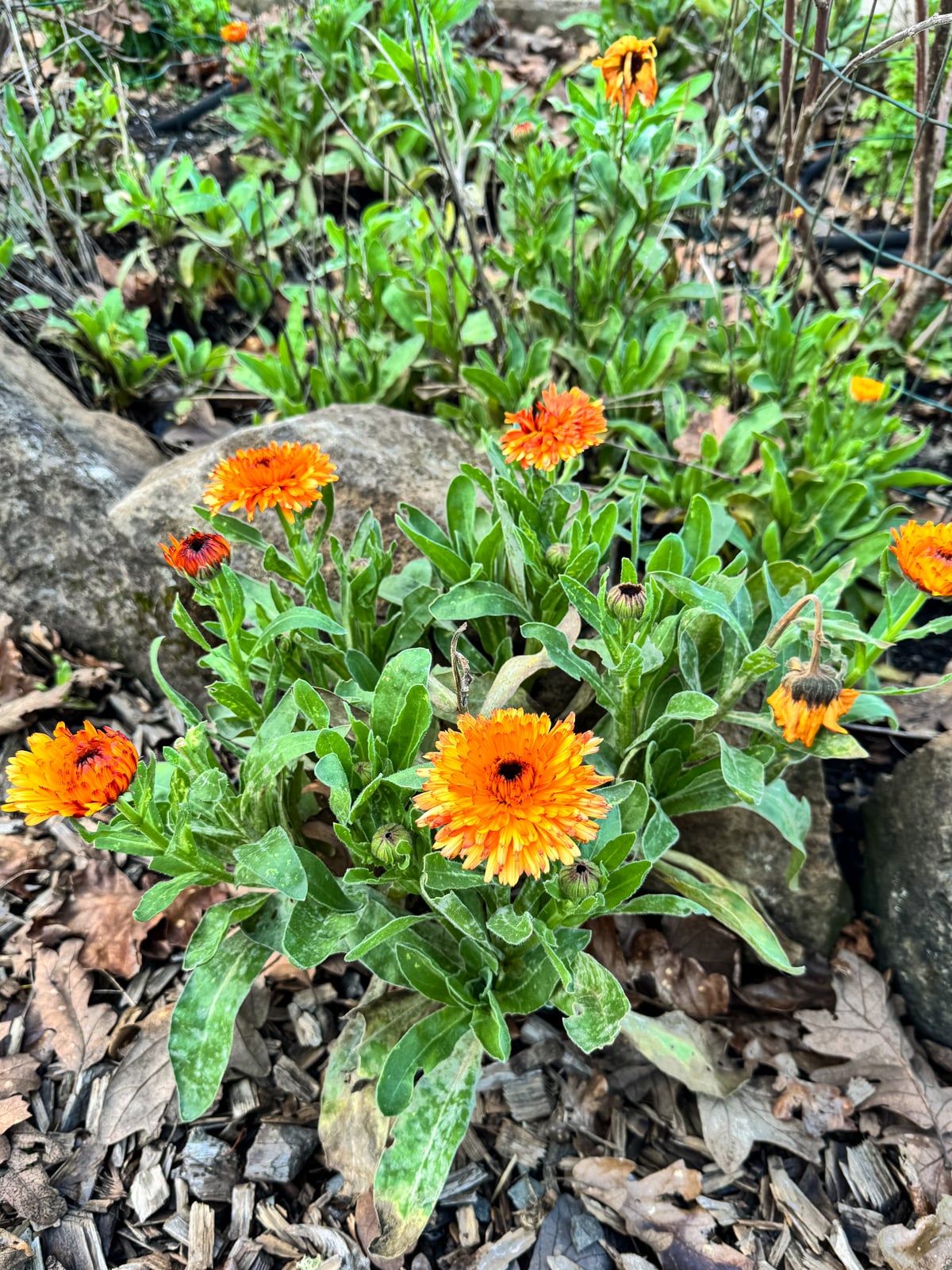
Calendula. They took a break in the heat, but then started blooming again pretty regularly after the fall coolness set in. They do reseed, especially in a mild year, but it’s not bad enough that I’m going to get rid of them completely. Yet.
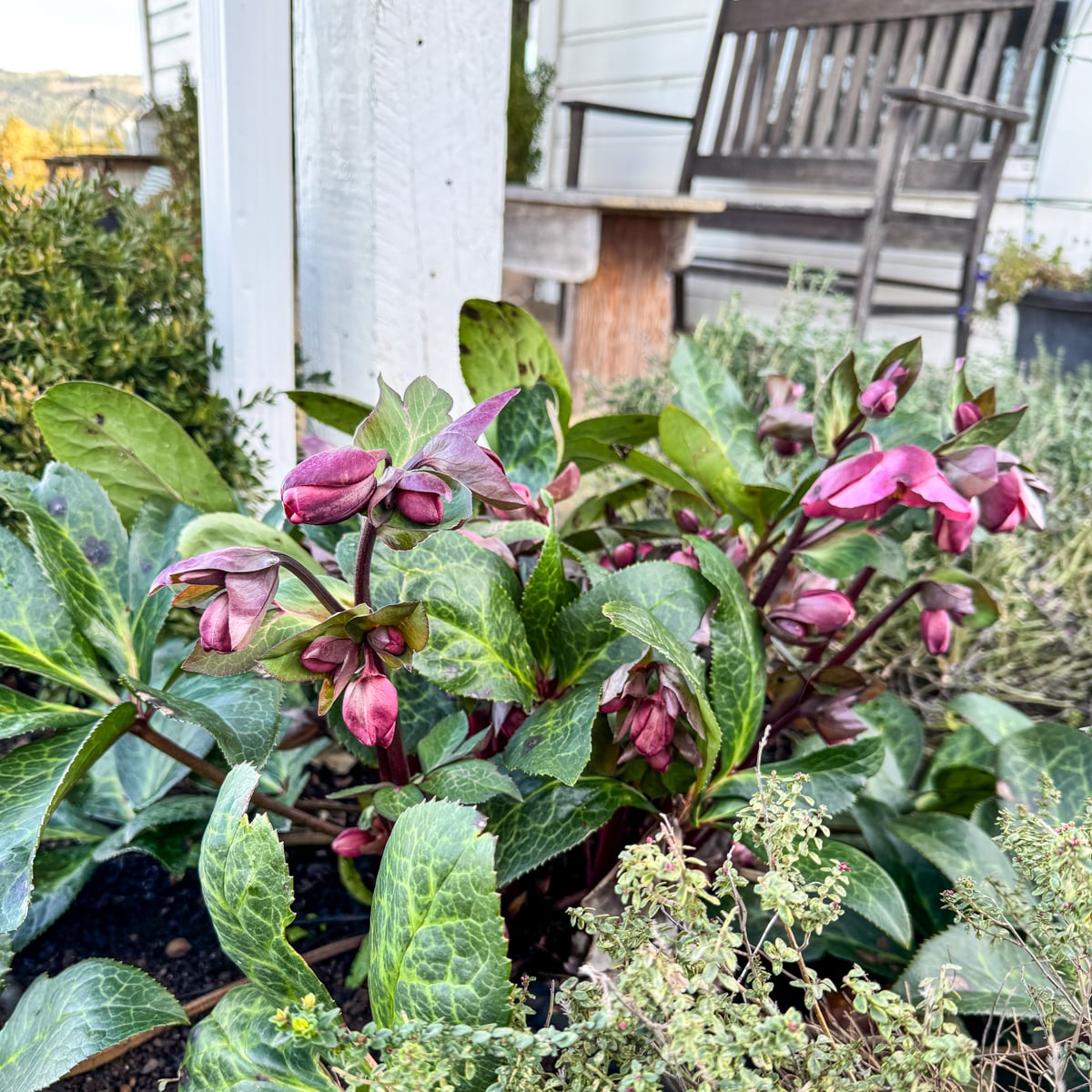
Hellebore (Lenten Rose). Ah, my favorite winter bloomer! I put it right on the path to the front door so it’s blooms will bless anyone walking by – and I get the most comments on it, too. Everyone is surprised at the blooms in the middle of winter.
A Backyard Bouquet In January
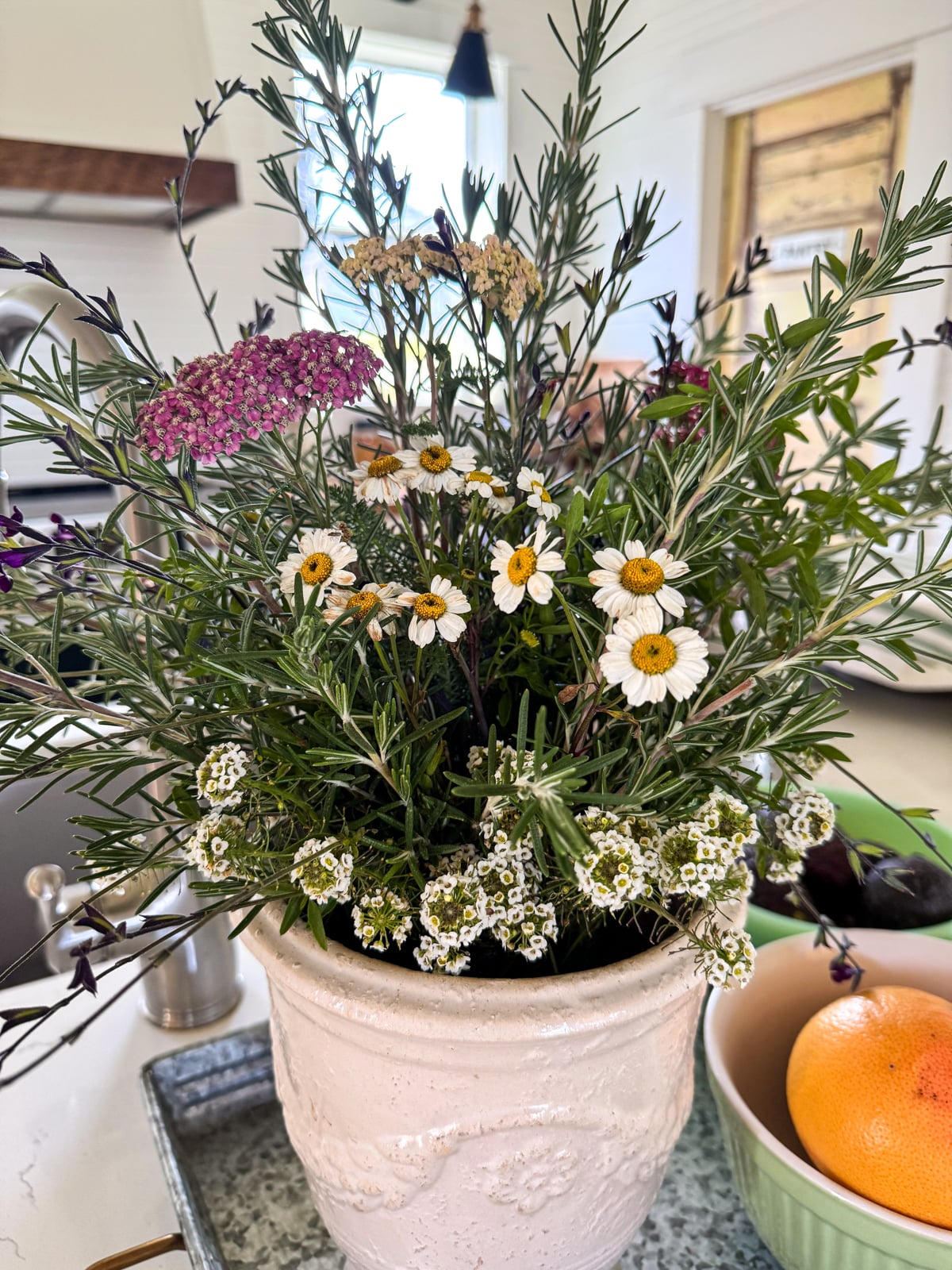
I just had to share this arrangement I created last weekend. I had forgotten any kind of plant or flower at the store and thought I’d just go with a rosemary arrangement for our kitchen island. But as I was walking around the garden I found a few yarrow blossoms, the last of the feverfew, some arching sprays of amethyst lips salvia, and the alyssum. What fun to find this in the middle of January and get to enjoy it all week!
What’s Next?
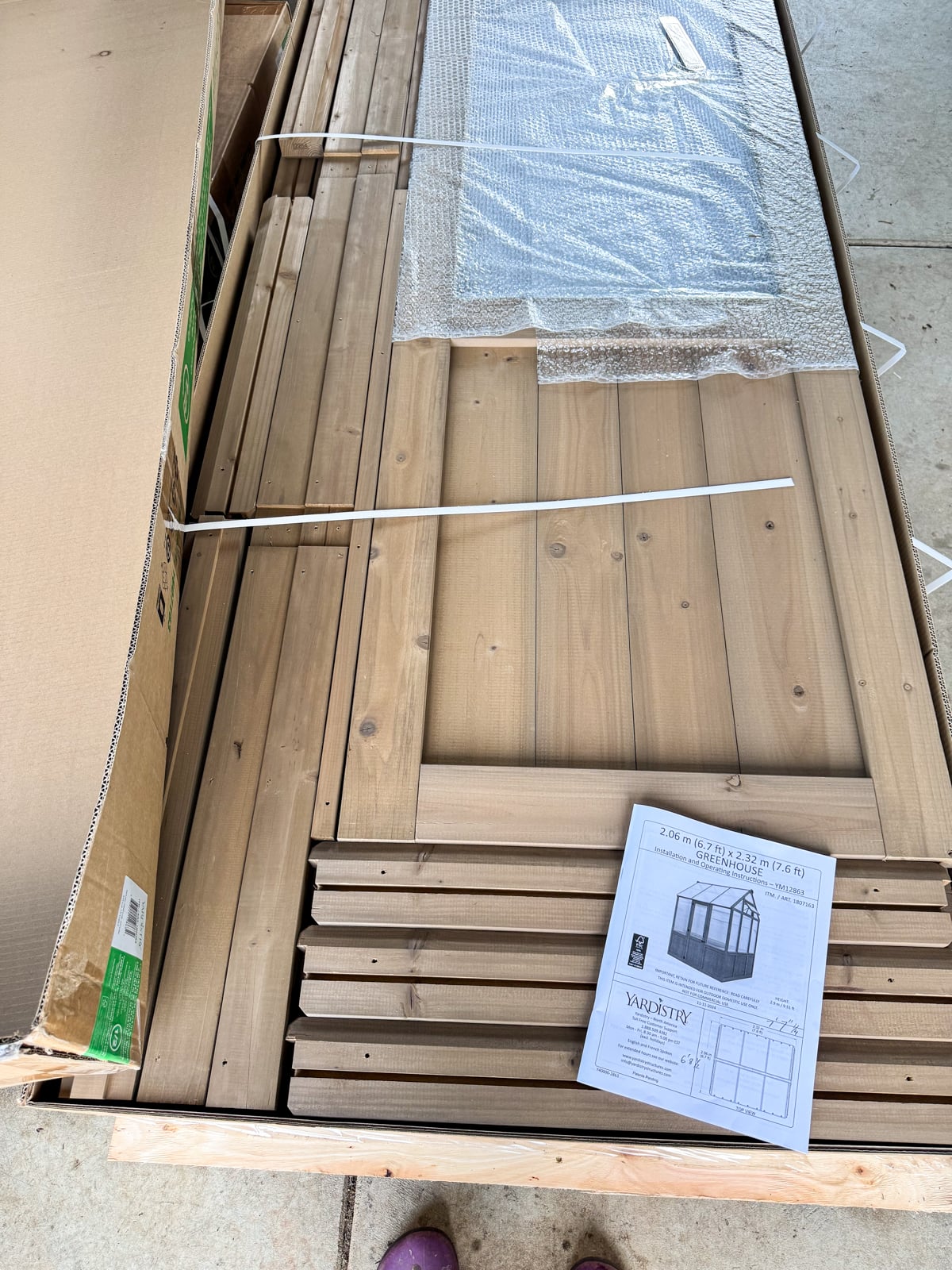
Greenhouse! I mentioned in my 2026 goals that I bought a small greenhouse and so the goal is to get it built now to be able to use to house my seedlings. As with many DIY’s, we’ve already hit a roadblock: the cement pad behind our garage we need to use is not level. Like really not level, to the tune of 4 inches. So. We’re brainstorming the best way to deal with this and in the meantime, the pieces of the greenhouse remain in the boxes. But I have faith we’ll get it done in time for the early spring growing season!
Here are some other things I’ll be working on the rest of January through March:
- Plan out the vegetable beds with succession and intercropping.
- Start the first seeds indoors, which is really mainly onions.
- Use milk jugs to winter-sow seeds of cool weather flowers like Larkspur, Pansy, Snapdragon, Sweet Annie, Sweet Pea, Viola in early February and Alyssum, Marigold, Cosmos, Morning Glory, Nasturtium, and Zinnia in late February-early March.
- Lay cardboard and chips on vegetable garden paths.
- Make a watering system and then add a weed cover/mulch on the road hedgerow – and protect it from the deer!
I’d love to know what you’re hoping to work on during the quiet winter months – leave a comment to share what’s on your list and if you’re harvesting anything right now!

Hi Jami,
Great ideas for 2026! I will be joining you on my first greenhouse adventure this year. Mine is sitting in the hallway right now until the big winter storm passes. I plan on using deck blocks, 4 x 4 wooden boards, a tarp and will be moving some river pebbles from one part of the yard to be the “floor” of the greenhouse above the tarp. This is not a fancy greenhouse by any means, it is just for learning. Although I own my home I am not interested in putting the greenhouse in a permanent location as my yard is very small and I may want to move it in the future and don’t want to have to take up a concrete pad.
I look forward to updates on how your installation and greenhouse growing is going! Good luck!
Maddie
That sounds wonderful, Maddie! Any way you can have a greenhouse to experiment with is a win, right?
I have Aspabroc (aka Broccolini) still producing in the garden here in Portland. I love the stuff, I planted it late spring/early summer and it produced all summer. You don’t get those big dinner plate heads but the smaller shoots that work in stir fry, salads and more. Also late planted lettuce which I could steal leaves off of. I had to put some of that corrugated greenhouse plastic over it to protect it from the ‘atmospheric river’ we experienced.
Have you tried the flour, water, yeast mix bait for slugs that the OSU Extension Service has tested? Cheaper, and more effective, than commercial baits. Would have to have rain protection in the winter.
That’s great! My side-shoots gave up producing months ago, though they do go all season long with the small shoots like you mention. I’ll have to add broccolini to my list. 🙂 I haven’t tried that slug bait – thanks for the recommendation!
How wonderful to be able to collect enough flowers from your garden to make a bouquet! And in the middle of January! We woke up to a snowy winter wonderland. 26 cm of snow, just overnight! But I’m in Canada so that is normal.
I know – I was thrilled! 🙂