
How to Plant a Garden the Easy Care Way
Learning to plant a garden doesn’t have to mean long hours or complicated plans. With a simple, easy care approach you can grow a productive garden that fits into your everyday life instead of taking it over. By choosing the right space, doing some planning, and keeping maintenance manageable you’ll be able to plant a garden you can enjoy all season.
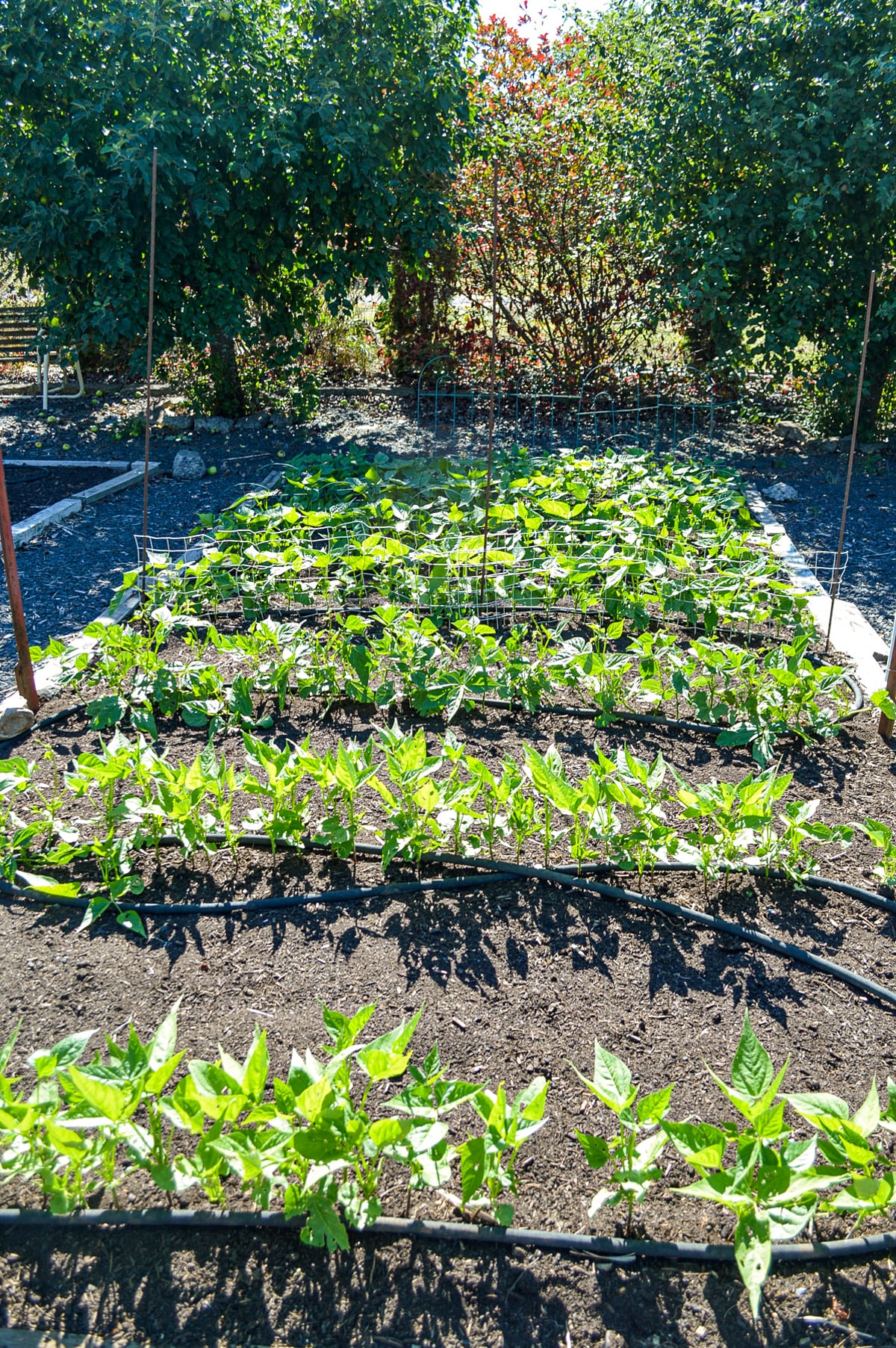
Through the years here at An Oregon Cottage I’ve written a lot about how to plant a garden, organically and easily. My goal has always been to share that with a little thought and planning (and a tiny amount of bucking the ‘system’) you can garden with the least amount of work required and still reap the full benefits, whether that’s bountiful harvests of vegetables or beautiful shrub and flower borders.
Does that sound lazy? I prefer to say it’s smart!
To help you plan and plant an easy care garden, I’ve collected some of the tried-and-true tips and techniques I’ve used through the years. We’ll start with some planning questions, though, because they set the stage for the garden that comes after.
Planting a Garden Planning Questions
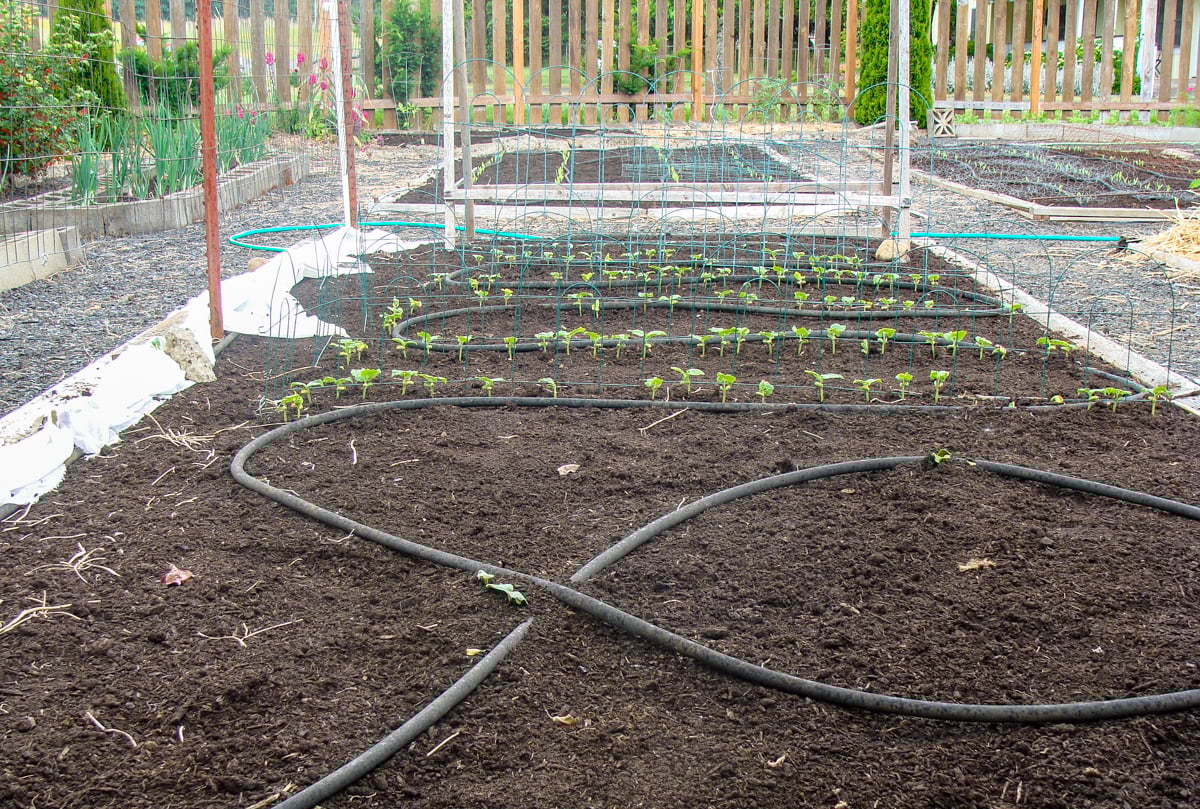
Answer these questions for your garden site before starting to dig or plant:
Know the amount of sun the area will get during the growing season.
For vegetables the #1 consideration is sun for MORE than 6 hours a day. It really is the key to having the most productive garden. You can garden in partial shade, but your harvests will be less and there will be some things you can’t grow.
Most flowers also prefer sun, but there are quite a few varities you can grow in partial or even full shade. Knowing the number of sun hours for your specific site will guide what you can plan to grow.
Vegetables: Build the beds ,or plant the rows, running north to south to allow for the most sun exposure as the plants grow.
Flowers: a cutting garden would benefit from the same layout as vegetables to maximize sun, but for regular garden flower beds, direction doesn’t matter.
You’ll need to know your garden zone’s first and last frost dates to determine when you should plant. Go here to get that information. You also may like to use soil temperature to know more exactly when to plant, especially vegetables.
Seeds: You can start seeds indoors 6-8 weeks before your last frost date in the spring to be able to plant them outside at the right time (this info is on the back of seed packets). Once the ground is ready, you can plant some directly into the garden beds (also on the seed packets).
Garden Transplants: If you’re not starting from seeds, you can use your local garden center’s cue: when they offer the plants is usually when you can plant outside. Be careful, though, to still know your last frost date – stores are notorious for selling warm weather plants too early.
For the easiest way is to think layering instead of tilling. It’s the best for plants (and for our backs!).
How to layer soil: Add good soil if you need and the top it with 2-3 inches of compost the first year. In the years after use a 1-2 inch layer of compost and you will have soil that feeds the plants and has few weeds.
Be sure to read Designing a Garden for Easy Care (5 Simple Steps) for more details.
How to Plant a Vegetable Garden
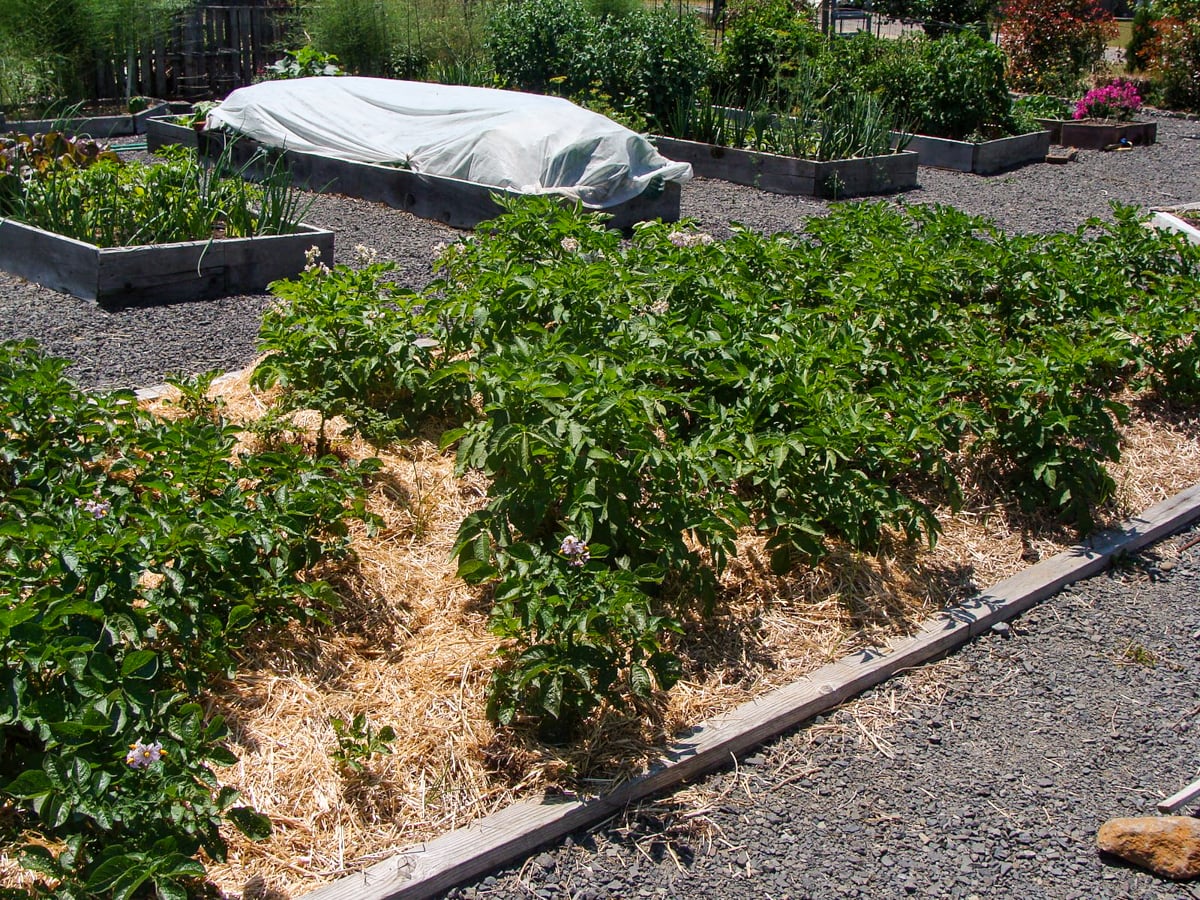
Organic Vegetable Gardening 101: find all the steps to starting your own garden and be on your way to eating freshly grown food in a matter of months. It really is easy – I promise! This classic series includes:
- 10 Basic Steps to Start A Vegetable Garden
- How to Start Plants from Seeds
- Caring for Seedlings at Week One
- Caring for Seedlings at Week Six
- How to Plant Seedlings & Starts
- Vegetable Garden Design for Easy Care
TIP: This is where writing things down really helps! A simple garden planner or notebook makes it easier to map out beds, track what you planted, and remember what worked well for next year. You can download a free garden success notebook here to get started!
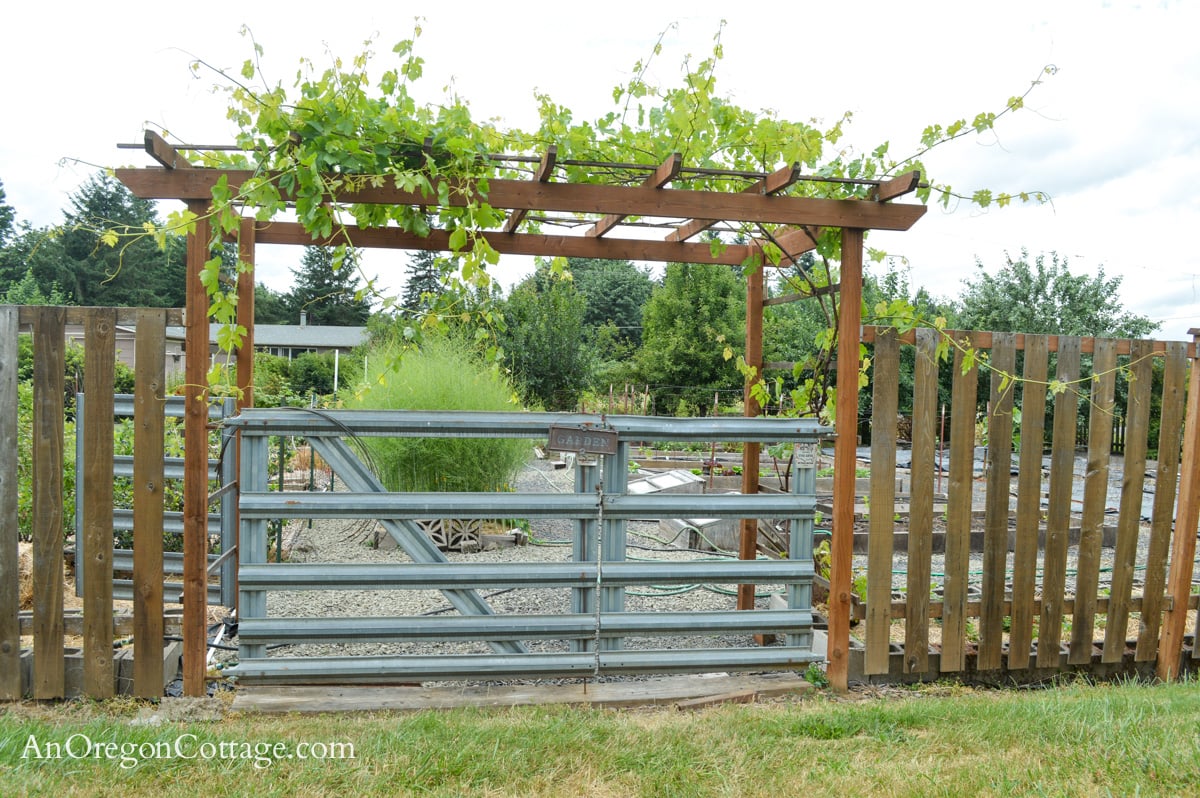
Once you’ve got your garden designed and have an overview, here are some tips as well as specifics on what and how to plant:
- Garden Planning and Organizing with a Notebook
- Planting A Garden Bed The No-Till Way
- How To Plant Corn Weed Free
- Five Reasons To Grow Cucumbers On A Trellis (And Taking Up Less Space Isn’t One Of Them)
- Planting Potatoes The Easy Way With Straw
- Why I Love Emerite Pole Beans
- Video: How To Kill Weeds Without Spraying
- How To Plant Tomatoes & Have Them Thrive
- Five Awesome Ways to Save Water (and Time!) in Your Garden
- My Favorite Gardening Books
- Top Tools for Gardening
- Benefits of Using Row Covers for Broccoli, Cabbage & Cauliflower
- Seed Starting Guide
- Winter Gardening: Organizing and Buying Seeds
- Favorite Garden Catalogs & Seeds
How to Plant Shrub & Flower Gardens
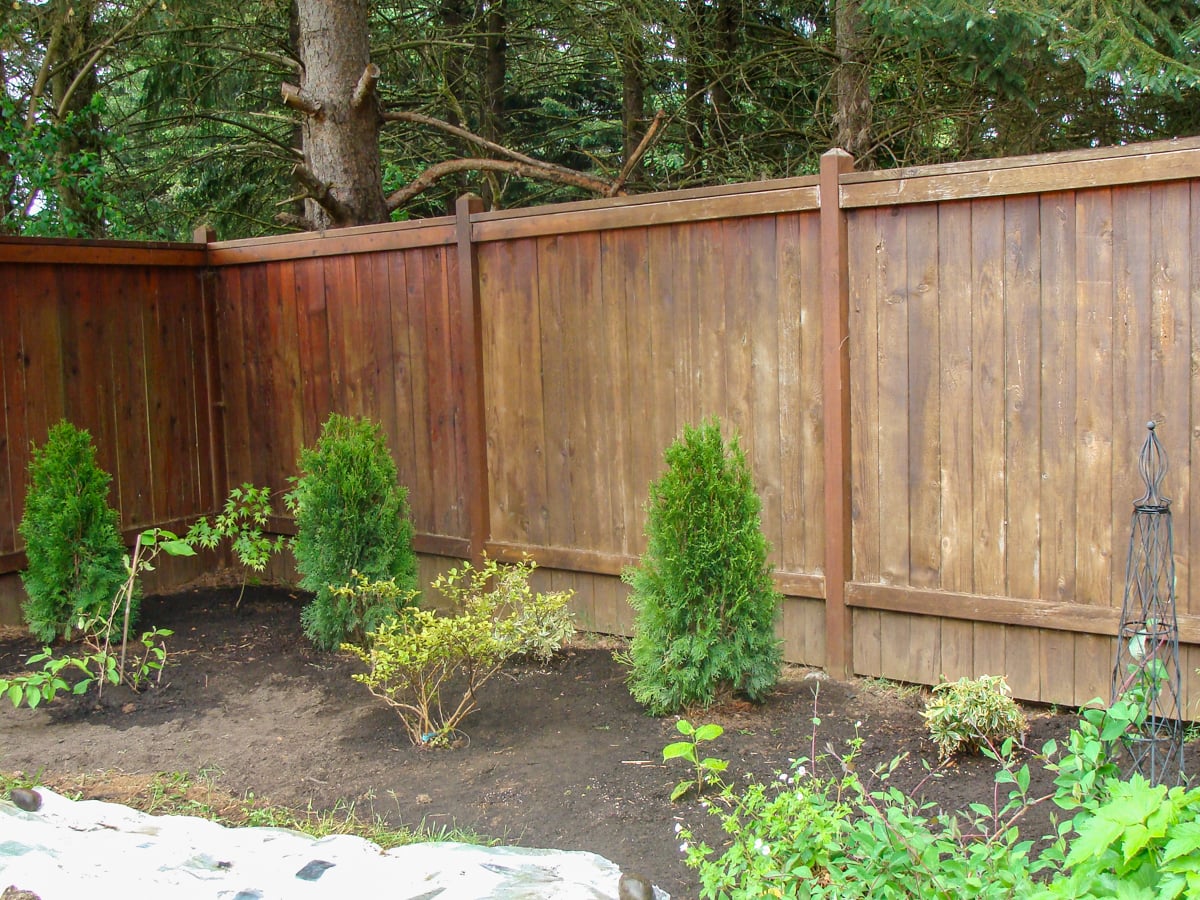
How to plant a flower bed from scratch
Use these 8 steps to a new flower bed for the easiest way I know of to start a new shrub-perennial flower border.
You won’t believe how much easier it is! We’ve used this technique for many years and are very happy with the outcome – and the fact that it’s a lot less work than many other instructions I’ve read over the years.
How to Control Weeds Easily
Of course we all hate weeds, but ignoring them isn’t the solution. It’s much better to smother them and not give them a chance to get established!
My #1, favorite, best way to deal with weeds in flower beds is:
- 5 Easy Steps to Organic Weed Control for Beds & Borders
- There’s a follow up video, too, which goes into more details: Easy Organic Weed Control with Paper and Mulch.
After you’ve planted your first shrubs and flowers, layering them with paper and mulch keeps the moisture in and weeds down to a minimum. This technique is basically the reason I’ve had beautiful flower borders!
Plants for easy care flower & shrub beds
- 11 Easy Care Plants and a Few to Avoid
- What to Plant for August Blooms
- Easy Care Shrubs & Plants
- New Herb Garden: Before and After
- Cottage Garden Flowers
- Little Lime Hydrangea: My Favorite New Shrub
Remember, if you’d like help organizing your garden each season, I’ve created a simple garden planner with space for layouts, planting notes, and yearly records so you can keep everything in one place without overcomplicating it. Be sure to grab it here. I’ve also got a set of monthly garden tasks checklists you can add to the notebook to help keep you on track!ve
This article has been updated – it was first published in 2015.

I am physically unable to garden anymore, due to crippling arthritis. Another family member tends my flowers and vegetable garden. He starts the season off well, and sticks to my organic ways. Invariably, midway through the growing season, he stops weeding and grass overtakes everything. It is now late July, and Kansas grass is taller than many of my flowers, choking my vegetables and I want to cry. I pay someone to mow, but don’t trust him to pull weeds without pulling what he shouldn’t. Is there a homemade herbicide that will kill grass without killing what I want to nurture? Yes, I’ve tried mulch. Tons of it. Help!
I can imagine how frustrating that can be, Deb! I don’t know of any herbicide that actually works and doesn’t also kill the plants you want to grow (vinegar, salt, etc.).
The only thing I know of is to stop tilling (it brings up dormant weed seeds to light and air) and layer cardboard and newspaper under the mulch. Mulch on its own doesn’t last long, since the weeds eventually grow up through. Doing these things and disturbing the soil as little as possible will reduce your weeds over time, too.
Do you have a solution for treating powdery mildew on plants that really works.
I wish I did, Linda! I typically just remove the leaves affected. I’ve tried spraying milk on the leaves when I first spot it and sometimes it works. I never water overhead, which also helps – except when we have rain, lol.
My,daughter showed me your video for your recipe to make a Homemade Garlic-mint spray to resite insects from basil,and other veggies.Could you e-mail it to me.Ijust finished planting the first crop. Thank you.
You can go here to see it here on the blog: https://anoregoncottage.com/homemade-garlic-mint-garden-insect-spray-really-works/